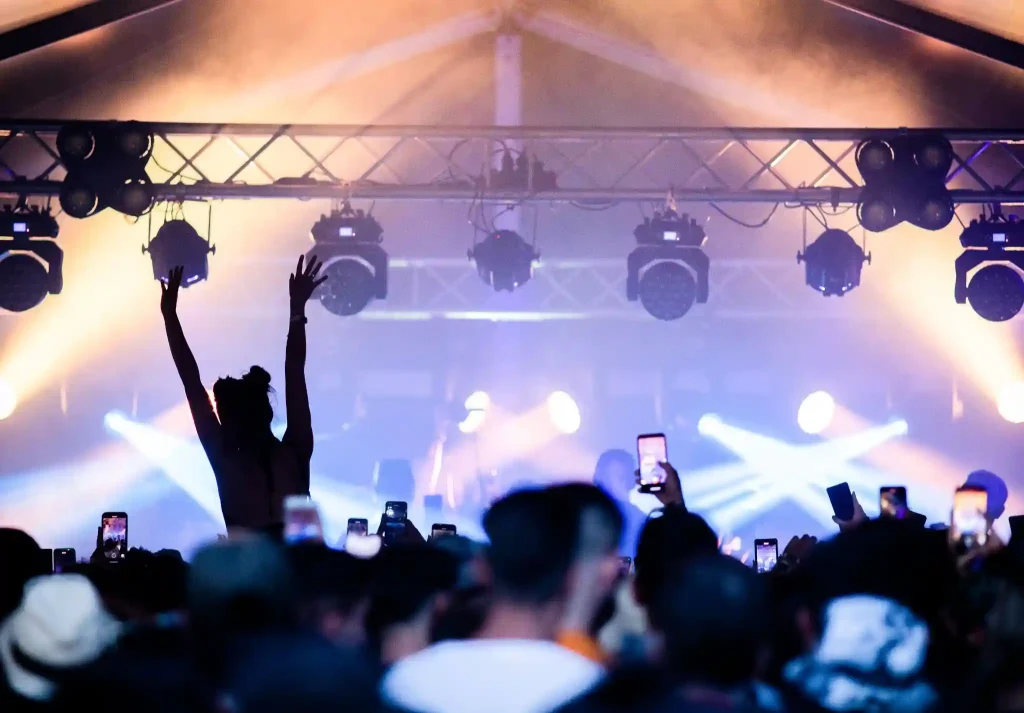

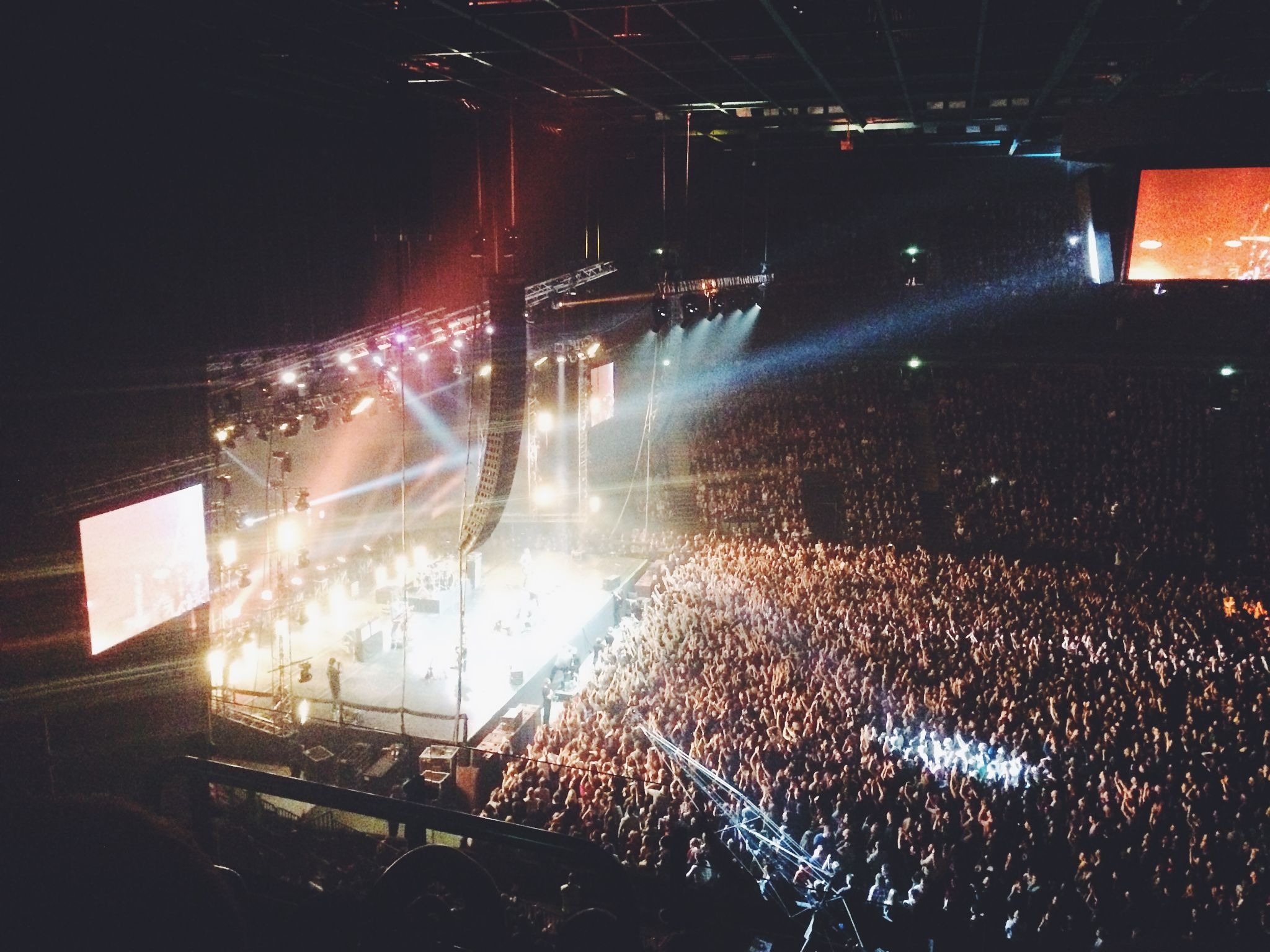
The difference between a transcendent concert experience and a frustrating one is often not the artist, the setlist, or even the ticket price. It is where you are standing or sitting in the room. Two people at the same show, fifty metres apart, can have completely different experiences of the same performance. One hears a clear, balanced mix with a full view of the stage. The other hears muddy bass and cranes over shoulders for thirty minutes.
Finding the best concert venue seats requires understanding acoustics, sightlines, crowd dynamics, and venue-specific characteristics that generic seating maps never show. This guide covers all of it, by venue type, with the research tools that make the difference before you buy.
Why Seat and Position Choice Matter More Than Most Concertgoers Realise
Sound is not uniformly distributed across a room. Speaker arrays in live venues are designed to project outward and downward across specific zones, which means sound quality changes dramatically depending on where you are standing relative to those arrays. Positions directly in front of stage-mounted speakers receive an unbalanced frequency response dominated by proximity effects. Positions within the projection zone of the front-of-house speaker system receive the mix as it was designed to be heard.
The most expensive ticket is frequently not in the best acoustic position. Front-row floor tickets at arena shows are consistently among the most expensive and acoustically among the worst positions in the building. Understanding this single fact changes how you evaluate ticket options and opens up better experiences at lower price points.
Understanding Venue Types and Their Positioning Logic
Small Clubs and Intimate Venues
Small clubs operate on near-field sound principles. Speaker reinforcement is minimal or absent, and the acoustic behavior of the room itself shapes the listening experience. In this context, the intuitive impulse to get as close to the stage as possible often works against sound quality.
Standing directly in front of stage monitors produces a one-sided sound dominated by the monitor mix rather than the front-of-house mix. Moving back twenty to thirty feet in a small club typically produces a more balanced and immersive sound as the room’s acoustics integrate the sources. Stage height matters too. In venues with a low stage, rear positions sometimes offer better sightlines than mid-floor positions where taller attendees in front become the primary visual experience.
Theatres and Mid-Size Venues
Dedicated theatre spaces are architecturally designed for sound projection in a way that clubs and arenas are not. The acoustic principles built into these buildings reward specific seating decisions.
The dress circle or first balcony in a traditional theatre consistently produces better sound and sightlines than floor-level seating at the same or lower price. The elevated position sits within the primary projection zone of the speaker arrays. Rake, the upward slope of tiered seating, ensures that rear rows have comparable sightlines to front rows in a way that flat-floor standing venues cannot replicate.
Orchestra floor seating in a theatre offers sound immersion and physical proximity that elevated tiers cannot match. The tradeoff is clarity. Elevated positions produce more precise imaging and better frequency balance. Floor positions offer a more physically enveloping experience. Neither is objectively superior. The right choice depends on whether you prioritise being inside the sound or hearing it with maximum clarity.
Arena Seating: The Most Misunderstood Concert Environment
Floor Positions in Arena Shows
Front-of-stage floor positions at arena shows are the most sought-after and the most acoustically problematic. The speaker arrays at arena scale are designed to project sound across the full floor, which means the area immediately in front of the stage sits in a zone that receives the stage monitoring system rather than the FOH mix. Bass frequencies from subwoofer stacks positioned at the front of the stage overwhelm the mid-range and high-frequency content that carries melody, vocals, and detail.
The mix improves measurably as you move back from the stage. Mid-floor positions receive the full frequency range of the FOH system as it was designed to be heard. The artist is still fully visible. The sound is substantially better.
Tiered Seating in Arenas
Lower-tier angled positions, specifically the sections positioned to the side and slightly behind the main stage angle, consistently outperform their price point. They receive the side fill and delay speaker systems that serve exactly these areas. Sightlines are oblique but clear. The experience is intimate relative to the size of the venue. These sections are regularly underpriced relative to their actual experience quality.
Upper-tier centre positions are another undervalued option at major arena shows. The elevated central perspective provides a complete view of the stage production, including lighting rigs, video screens, and the full spatial design of the show. The delay speaker systems in the upper tiers are tuned to deliver a full mix to these positions. For production-heavy shows where the visual spectacle is central to the artist’s presentation, the upper-tier centre can be the optimal choice.
The Sound Engineer’s Position: The Best-Kept Secret in Concert Seating
Every live show has a front-of-house sound engineer. Their job is to mix the show in real time so that the audience hears exactly what the production intends. To do this accurately, they sit where the mix sounds best. That position is called the FOH desk or mixing position, and it is almost always located in the middle-rear section of the floor.
The FOH position is the single most reliable indicator of acoustic sweet spot in any venue. It is not a coincidence that the person responsible for sound quality has chosen to sit there. Finding this position on a venue map or floor plan, it is typically a raised platform or designated area in the rear-centre of the audience floor, and positioning yourself within twenty metres of it consistently produces the best listening experience available in the room.
Research Tools for Finding the Best Concert Venue Seats
Dedicated Seat Review Platforms
Seatgeek’s view-from-seat photo feature is the most useful single tool for evaluating sightlines before purchase. Real audience photographs from specific seat numbers show exactly what the view looks like from that position, including obstructions, angle to the stage, and distance that the seating map’s geometry cannot convey. Using this feature for a sixty-second review before buying any seated ticket is a practice that pays consistent returns.
Concert-specific Reddit communities and venue-specific forum threads contain detailed positioning advice from people who have attended shows at specific venues. These sources surface the acoustic quirks and sightline limitations that official venue materials never disclose. Searching the venue name alongside terms like best seats or sound quality generates accumulated real-world intelligence that no platform aggregates elsewhere.
Venue-Specific Research Strategies
YouTube audience footage from previous shows at the same venue is an underused research tool. Searching the venue name alongside a recent show title produces audience-filmed footage from multiple positions that reveals actual sightline conditions, crowd density patterns, and stage visibility from sections you are considering.
Contacting the venue box office directly about restricted view sections is standard practice that many buyers skip. Box offices are legally required to disclose restricted views and will often confirm which sections have acoustic limitations if asked directly. This two-minute phone call or email prevents the most avoidable seating disappointments.
Positioning Strategy for Standing and General Admission Shows
Arriving Early and Reading the Room
Arriving at doors-open time is the foundational positioning strategy for all general admission shows. It is not about securing a front-row position. It is about having the freedom to assess the room before the crowd makes positioning irreversible.
Reading the room on arrival means observing stage height, identifying where the FOH desk is positioned, locating the speaker arrays, and assessing where the sightline to the stage is clear at various distances. This takes five minutes and produces a positioning decision that is informed rather than reactive.
Dynamic Positioning During the Show
The best position at the start of a show is not always the best position once the crowd has settled. Gaps open up in the middle sections of standing floors as the show progresses and early arrivals shift positions. Moving respectfully through a settled crowd, following gaps rather than pushing through density, can improve both sightlines and sound quality without creating conflict.
Edge positions along the side walls of standing venues are consistently undervalued. They offer clear sightlines without the crowd density of central floor positions, personal space that makes physical comfort substantially better over a long show, and direct access to exits when the show ends. For anyone who values comfort and audio quality over crowd immersion, edge positions frequently represent the best available spot in the room.
Conclusion
Finding the best concert venue seats is a skill built from understanding acoustic principles, venue-specific characteristics, and the research tools that surface what seating maps never show. The most expensive ticket is not always in the best position. The closest spot to the stage is rarely where the sound is best. And the person who has made the most informed positioning decision in the room is usually the one standing twenty metres from the sound engineer.
Apply one research step before your next concert. Check the view-from-seat photos on Seatgeek. Identify where the FOH desk is positioned. Search Reddit for positioning advice specific to the venue. Any one of these takes five minutes and consistently improves what the evening sounds and feels like.