
A great concert is not just about the artist on stage. It is about everything you do before you arrive that determines whether the night goes smoothly or becomes a frustrating series of avoidable problems. The support act you missed because you arrived late. The prime floor position you lost because you did not understand the venue layout. The ticket you could not access was buried in an email with no signal underground.
These are not bad luck. They are preparation failures. And they are almost entirely preventable. This guide covers the essential concert attendance tips that apply across venues, genres, and experience levels, from first-time attendees to regular concert-goers who have quietly accepted problems they could easily avoid.
Why Concert Preparation Matters More Than Most People Think
The majority of concert frustrations share a common characteristic: they were foreseeable. Long security queues that cause you to miss the opening song. A bag that fails the venue’s size policy at the door. A digital ticket trapped behind a loading screen with no connectivity. None of these are circumstances. They are the predictable consequences of skipping steps that take minutes to complete in advance.
The concert experience begins well before doors open. What happens in the first thirty minutes after arrival sets the tone for everything that follows. Someone who arrives knowing the venue layout, with their ticket downloaded offline, wearing comfortable shoes, and carrying earplugs, has a fundamentally different evening from someone who arrives rushed, underprepared, and reactive.
Before You Leave Home: The Pre-Concert Checklist
Tickets, Identification, and Entry Requirements
Download your ticket to your phone’s wallet app before you leave home, not in the venue queue with poor signal and the doors already open. Most major ticketing platforms including Ticketmaster, AXS, and See Tickets offer wallet integration that stores the barcode offline. A screenshot backup in your camera roll adds a second layer of security that costs nothing.
Identification requirements catch people out more than almost any other concert attendance issue. Age-restricted venues require valid photo ID regardless of how obviously adult you appear. Some venues require the payment card used to purchase tickets to be presented at entry. These requirements are listed in the booking confirmation and on the venue website. Reading them takes three minutes. Failing to comply takes significantly longer to resolve, often at the entrance with a queue building behind you.
Check the venue’s bag policy before you pack anything. Most mid-size and large venues have specific maximum bag dimensions, typically A4 size or smaller, and prohibited items lists that include professional cameras, selfie sticks, and sometimes even sealed water bottles. Finding this out at the door means either abandoning items or returning to a car or bag storage facility, neither of which starts the evening well.
What to Wear and What to Bring
Venue type drives clothing decisions more than most people account for when planning a concert outfit. A standing floor show at a mid-capacity club in summer generates heat and physical contact that a seated theatre performance does not. Outdoor festivals in spring require layering for temperature shifts that evening brings. Wearing the right clothes is not about aesthetics. It is about physical comfort across a two to four hour experience.
Footwear at standing concerts is the most consistently underestimated concert attendance decision. Uncomfortable shoes become a problem within the first hour and a genuine distraction by the headline set. Comfortable footwear costs nothing and changes the experience substantially.
A minimal bag should contain a portable phone charger or battery pack, a card and small amount of cash for venues that operate a cash bar, and one item that most people still do not bring: noise-reducing earplugs. High-fidelity earplugs designed for live music, from brands like Eargasm or Loop, reduce volume without muffling sound quality. They protect hearing from sustained high-decibel exposure and simultaneously make the mix clearer. They cost between fifteen and thirty euros and last for years. They are the single most underused item in live music attendance.
Getting There: Transport, Timing, and Arrival Strategy
Transport Planning for Concert Venues
Post-concert transport is the part of the journey most people fail to plan. The journey to the venue is easy because it happens at a normal time with normal infrastructure. The journey home happens after ten or eleven at night, with thousands of other people leaving simultaneously, ride-share surge pricing at its highest, and public transport at reduced frequency.
Check the last train or tram time from the nearest station before you leave home. Decide in advance whether you will leave slightly before the final encore to beat the exit crowd or stay until the end and accept the transport consequences. Both are valid choices. Making the choice in advance rather than at the moment prevents the most stressful version of the post-show scramble.
Pre-booking parking where it is available near the venue eliminates one of the most common sources of pre-concert stress entirely. Many arenas and large venues have affiliated parking that can be reserved online for a fixed fee that is consistently lower than on-the-night alternatives.
Optimal Arrival Timing
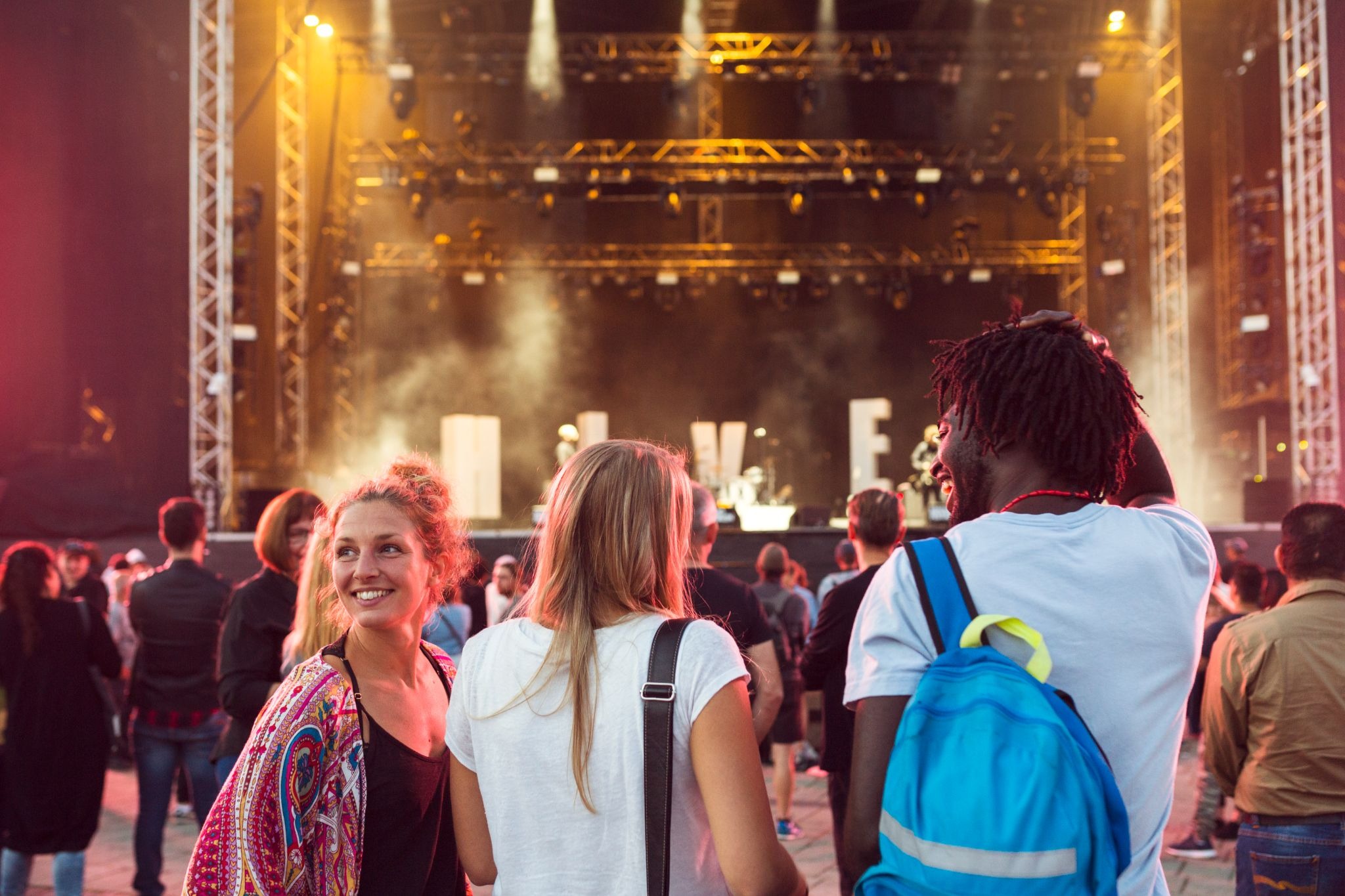
Arriving at doors-open time rather than headline time transforms the standing floor concert experience. Doors-open arrival means you choose your position before the floor fills. You watch the support act, who often turns out to be the most interesting discovery of the evening. You locate the toilets, merchandise stand, and exits without the crowd pressure that makes navigation difficult once the venue is full.
Building a thirty-minute buffer into arrival planning accounts for the delays that regularly occur: transport running late, security queues longer than expected, bag check complications. The buffer costs you thirty minutes of waiting time on a smooth night and saves you missing the opening song on a complicated one. The asymmetry strongly favors the buffer.
Navigating the Venue: What First-Timers and Regulars Miss
Reading the Venue Layout
Venue maps are available on the websites of almost every mid-size and large venue. Spending three minutes with a venue map before attending for the first time reveals where the merchandise stands are relative to the entry points, where the toilets sit in relation to the floor, and where the sound desk is positioned, which matters more than most people realize for choosing a standing position.
Locating exits on arrival rather than during the show is a safety practice and a practical one. Knowing where the nearest exit is to your floor position means any need to leave quickly, for any reason, does not require navigation through unfamiliar space under poor lighting and crowd pressure.
Security, Bag Checks, and Entry Queues
Security procedures at major venues have become more thorough in recent years. Preparation accelerates the process significantly. Empty your pockets before reaching the scanner. Have your ticket accessible on your phone screen before you reach the ticket check. Carry your bag in your hand rather than on your back so it can be presented immediately. These are small adjustments that each save thirty to sixty seconds and collectively move you through the entry system faster than the unprepared person behind you.
Entry queue management rewards knowledge of the venue. Major arenas typically have multiple entry points designated by ticket zone, block, or alphabetical section. Joining the queue for your specific entry point rather than the longest visible general queue is the most reliable way to enter faster. First-time visitors to a venue almost universally join the wrong queue. The correct entry point is printed on the ticket and confirmed in the venue map.
Positioning and Sound: Getting the Most From the Performance
Floor Standing Strategy
Position choice at a standing concert involves tradeoffs that are worth understanding before you commit to a spot. Front-of-stage positions offer the closest visual proximity to the performer but typically produce the worst sound mix, as the speaker arrays project outward rather than downward. The bass is overwhelming and the mid-range vocals are often unclear.
The sound engineer’s position marks the area of optimal sound mixing. Engineers sit where the mix sounds best so they can make accurate adjustments. At most standing concerts this is in the middle-rear section of the floor. The sound at this position is what the artist and production team intended the audience to hear. It is consistently better than front-of-stage for audio quality, even if visual proximity is reduced.
Seated and Mixed-Format Venues
In theatres and smaller seated venues, angled side positions at mid-distance frequently produce better sound than central seats at the same row distance. The speaker arrays at many theatres are designed for more even coverage than this suggests, but the reflective acoustics of side walls can work in your favor at well-designed venues.
Venue-specific seating reviews on platforms like Seatgeek, TripAdvisor, or dedicated concert forums provide real audience perspectives on sightlines and sound quality from specific sections. Reading three or four reviews for a specific venue section before buying tickets takes five minutes and prevents spending fifty euros on a seat with an obstructed view that the seating map did not indicate.
During the Show: Presence, Etiquette, and Practical Management
Presence and Phone Use
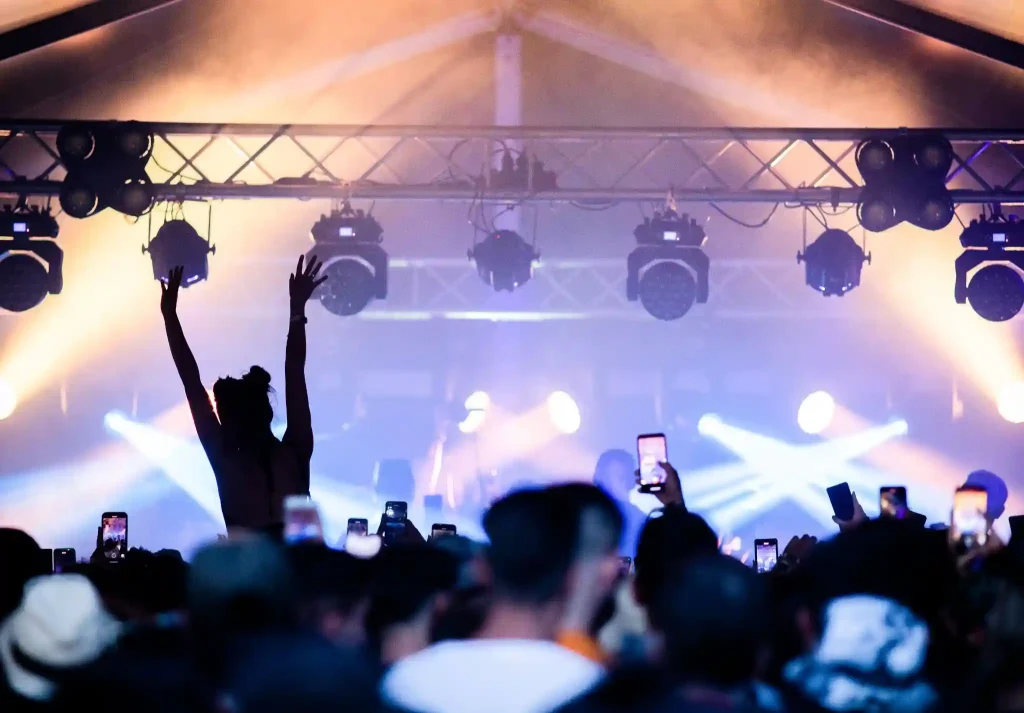
Reduced smartphone use during performances produces a measurably different quality of experience. This is not an etiquette position. It is a practical observation about attention and memory. Experiences that are fully attended, where the senses are present rather than mediated through a screen, are encoded more richly in memory. The concert you were actually in is better than the one you were filming for an audience of people who were not there.
Practical In-Show Management
Knowing the approximate setlist length and encore structure before the show allows for practical planning without creating anxiety. Most touring artists follow a consistent set format that is documented on Setlist.fm from earlier dates on the same tour. Knowing that the show runs approximately ninety-five minutes with one encore means you can plan bathroom breaks, hydration, and post-show transport timing with reasonable accuracy.
Conclusion
The best concert attendance tips share a common quality: they remove friction rather than add effort. Downloading the ticket offline, arriving at doors-open, choosing the right floor position, and bringing earplugs are each small decisions that cost very little and return significant improvements to the live music experience.
Preparation does not make concerts more complicated. It makes them better. Pick three tips from this guide that apply to your next show and apply them before you leave home. The difference will be noticeable from the moment you arrive.