
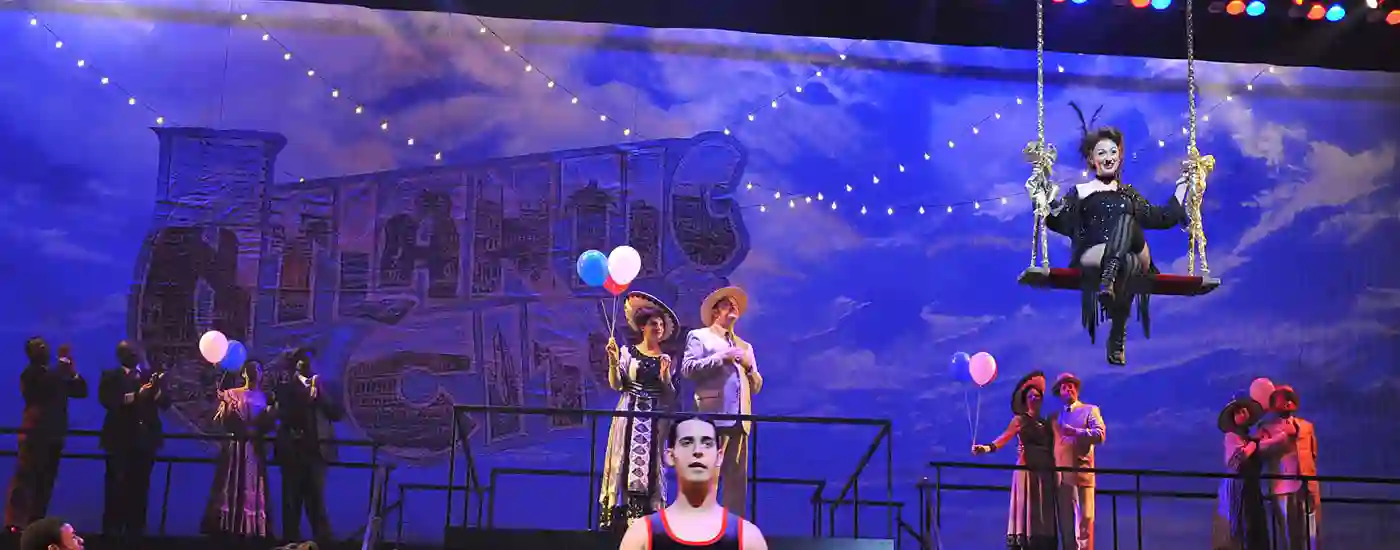
The moment a performer takes flight above a theatre audience, something shifts in the room. It is one of the most powerful effects in live entertainment, a literal defiance of gravity that triggers wonder, delight, and the suspension of disbelief that transforms a performance into an experience audiences carry with them long after the curtain falls. Stage flying has a history as long as professional theatre itself, and the technology and artistry behind it have evolved dramatically to create the spectacular, safe, and emotionally resonant flying sequences that define some of the most beloved productions in contemporary theatre and film.
The Long History of Flight in Theatre and How It Has Evolved
Flying in theatre dates back to ancient Greek productions, where machinery called the “deus ex machina” lowered gods and supernatural characters onto the stage from above. Through the Renaissance, Baroque, and Victorian eras, increasingly sophisticated rigging systems enabled more complex aerial action. The twentieth century brought electric winches, steel wire, and precision engineering that transformed flying from a spectacular novelty into a reliable theatrical tool.
The Engineering Behind Safe and Spectacular Stage Flight
Modern stage flying effects systems are sophisticated engineering achievements that combine high-strength steel cable, precision motor control, sophisticated harness design, and redundant safety systems to achieve aerial movements that look effortless from the audience while maintaining margins of safety that protect performers throughout every performance. The harness worn by the performer is custom-fitted and rigorously tested. The control system tracks position and speed continuously. Counterweight and motor systems are rated well above the loads they carry. Every element is designed with the understanding that the performer’s safety is the absolute first priority.
How Flying Transforms Both the Narrative and the Audience’s Experience
Well-executed stage flight does more than create spectacle, it carries narrative meaning that other theatrical tools cannot replicate. A character who takes flight is visually liberated from the constraints that bound them earlier in the story. A villain who descends from above carries an entirely different theatrical weight than one who enters from the wings. The physical reality of an actor genuinely airborne above the audience creates a shared experience that no projection effect or stage illusion can match because it is actually happening in the shared physical space of performer and spectator.
Safety Standards That Define Professional Flying Practice
The safety of flying effects depends on the application of rigorous standards developed by companies with decades of specialized experience. Equipment inspection before every performance, performer rehearsal that builds comfort and body awareness at altitude, show-specific emergency protocols, and weight ratings that incorporate appropriate safety factors are all elements of professional flying practice. Productions that engage companies without this specialized background take risks that are invisible during early rehearsals but can manifest as serious incidents during the higher demands of a full production schedule.
Conclusion
Stage flying effects remain among the most powerful tools available to theatrical storytelling, combining genuine spectacle with narrative impact in ways that no other theatrical device matches. Their enduring presence across centuries of performance history reflects the fundamental human response to the sight of a person taking flight. In the hands of skilled operators and with appropriate safety systems, they deliver moments that audiences never forget.