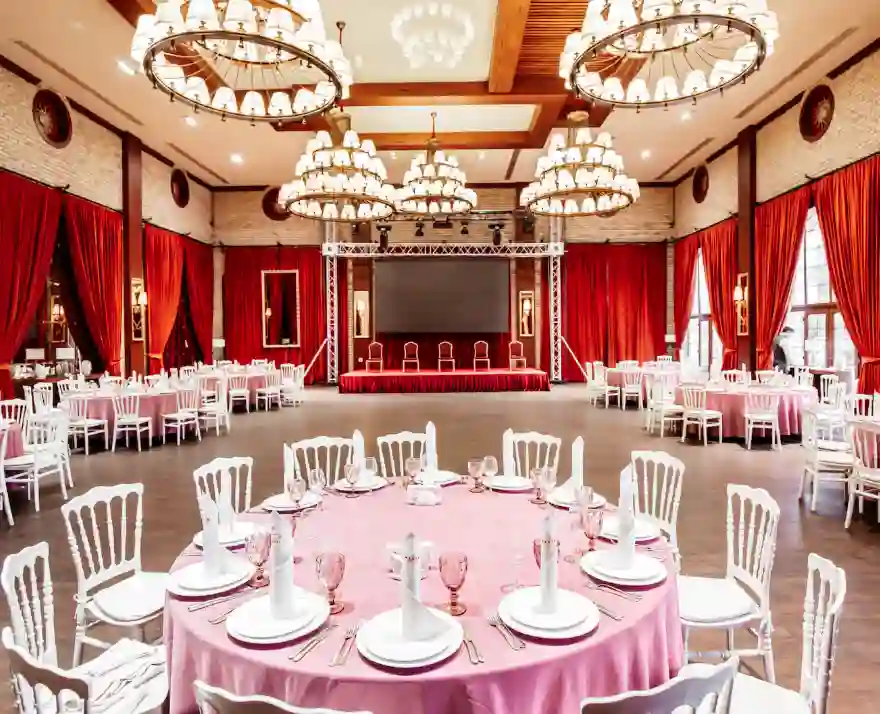


An agenda and guest speakers are not always enough for a successful business event. A venue is a significant factor that influences the experience of the visitors, can energize the visitors to engage with the experience, and can make operations at an event go smoothly.
When planning a corporate meeting, training, networking, or company conference, there are many aspects to consider when choosing a venue. In this article, we will discuss how event planners make informed decisions and get the most out of their investment, and the key factors that they need to consider.
Understand the Requirements of the Event
It’s crucial to first have a clear vision of your event’s objectives before comparing conference center venues. The requirements of different events vary in terms of layout, amenities, and capacity.
A leadership workshop might require a quiet meeting room, and a bigger conference may need presentation areas, break-out spaces, and networking areas. Some of the questions to ask are:
- How many participants are anticipated?
- Do presentations need audiovisual aids?
- Is catering needed?
- Do participants come from other regions?
Consider Location and Accessibility
One of the crucial things to consider while selecting an event venue is convenience. When the location is convenient, attendees are more likely to attend and be on time. Take into account the proximity to main roads, the airport, public transport, and nearby.
Search for facilities that have:
- Ample parking
- Accessible entrances
- Nearby lodging options
- Convenient transportation access
Guest satisfaction and attendance can be greatly enhanced with a central and accessible location.
Review Technology and Support Services
In today’s world, technology has become a necessity in business events. From in-person presentations to hybrid structures to virtual elements, technology infrastructure is essential. If there are technical issues, it can cause schedules to be thrown out of whack, and it could impact the attendee experience.
When assessing venues, ask about Wi-Fi reliability, projectors and display screens, the cost of the mic and sound system, video conferencing capabilities, and on-site technical assistance. It can be very helpful to have support staff on hand if unforeseen problems do occur during the event.
Consider Comfort and Guest Experience
People feel more comfortable when they attend and are more likely to be active. Factors such as seating arrangements, lighting, room temperature, and available amenities contribute to the overall experience. Even the smallest of details can impact the impression you make on guests and on your organization.
There are important factors to consider when it comes to comfort:
- Ergonomic seating
- Adequate lighting
- Climate control
- Clean facilities
- Refreshment options
A positive environment shows professionalism and helps attendees think about the content of the event.
Calculate the Cost-Versus Overall Value
You should keep the budget in mind, but it’s not necessarily the cheapest option. Don’t just consider the cost of renting; consider the overall value. Certain locations may offer services and amenities that can help save extra costs in other places.
Familiarity with the complete cost structure helps to avoid unforeseen costs and also to make more accurate budgets. A more complete service might be worth more than a less costly one with a lot of add-on charges.