

There is a specific pleasure in discovering an artist before the world catches up. The intimate show in a room that holds two hundred people. The album that feels like it was made for exactly the kind of listener you are. The moment you recommend someone to a friend and they come back a year later saying that the artist just sold out a theatre.
That experience is available consistently if you build the right system. The tools to find new music artists early have never been better. The problem is that most people are using the wrong ones.
Why Passive Discovery Keeps You Behind the Curve
Streaming algorithms are not discovery tools. They are familiarity engines. Their function is to keep you listening by serving more of what you already respond to. That is useful for creating a comfortable listening experience. It is structurally opposed to genuine discovery.
The feedback loop is self-reinforcing. The more you listen to what the algorithm serves, the more it serves music like that, and the further you drift from anything outside your existing taste radius. The artists who are genuinely new and unrecognized have no listening history data to anchor them in your recommendations. The algorithm cannot surface what it has no signal for.
Active curation is the only reliable alternative. Deliberately seeking artists through non-algorithmic sources consistently produces earlier and more interesting discoveries than any passive system.
Using Streaming Platforms More Strategically
Editorial Playlists Over Algorithmic Ones
The most useful discovery assets on major streaming platforms are not the ones generated for you. They are the ones made by human editors with specific curatorial briefs and reputations to maintain.
Spotify’s Fresh Finds, New Music Friday in genre-specific versions, and Tidal’s Rising sections are maintained by editors whose job is to identify artists before wider recognition. These playlists are updated regularly and reflect genuine curatorial decisions rather than algorithmic pattern-matching. Following the playlists and noting which new names appear consistently is a simple but effective discovery practice.
Bandcamp’s new releases section operates on a different logic entirely. It surfaces music based on editorial selection and genre browsing rather than listening history. The artists appearing there are often entirely outside any mainstream recognition radius. For listeners willing to engage with an unfamiliar interface, it is one of the most reliable early discovery environments available.
Music Publications and Editorial Sources With Early Track Records
Publications That Identify Artists Early
Certain publications have built reputations specifically on early identification. Pitchfork’s Rising section is dedicated to artists at the beginning of their trajectory. The FADER covers emerging artists with a consistency that translates into a reliable watchlist. Stereogum’s coverage of new artists frequently precedes wider recognition by twelve to eighteen months.
BBC Introducing functions as a structured discovery system for UK talent, with regional programs that surface local artists before they reach national attention. Its international equivalents, Triple J Unearthed in Australia and NPR Music’s emerging coverage in the United States, serve similar functions in their respective territories.
The principle that applies across all of these publications with a specialist genre focus consistently outperform general music media for early discovery within their specific areas. A dedicated jazz publication will identify interesting new jazz artists faster than a general music magazine that covers jazz occasionally.
Video and Session Platforms as Discovery Tools
COLORS sessions are one of the most reliable early identification signals in contemporary music. The curatorial standard is high and the format, a single uninterrupted performance against a solid background, reveals performance quality and artistic distinctiveness with unusual clarity. An artist appearing in a COLORS session before wider recognition is almost always worth investigating.
Boiler Room sets serve the same function for electronic music and club culture. Sofar Sounds recordings surface acoustic and singer-songwriter talent in intimate settings. NPR Music’s Tiny Desk series has an exceptional track record for featuring artists in early career stages who go on to significant wider recognition. These platforms collectively form a video discovery layer that captures qualities studio recordings sometimes conceal.
The Live Music Circuit as an Early Discovery System
Support Slots and Opening Acts
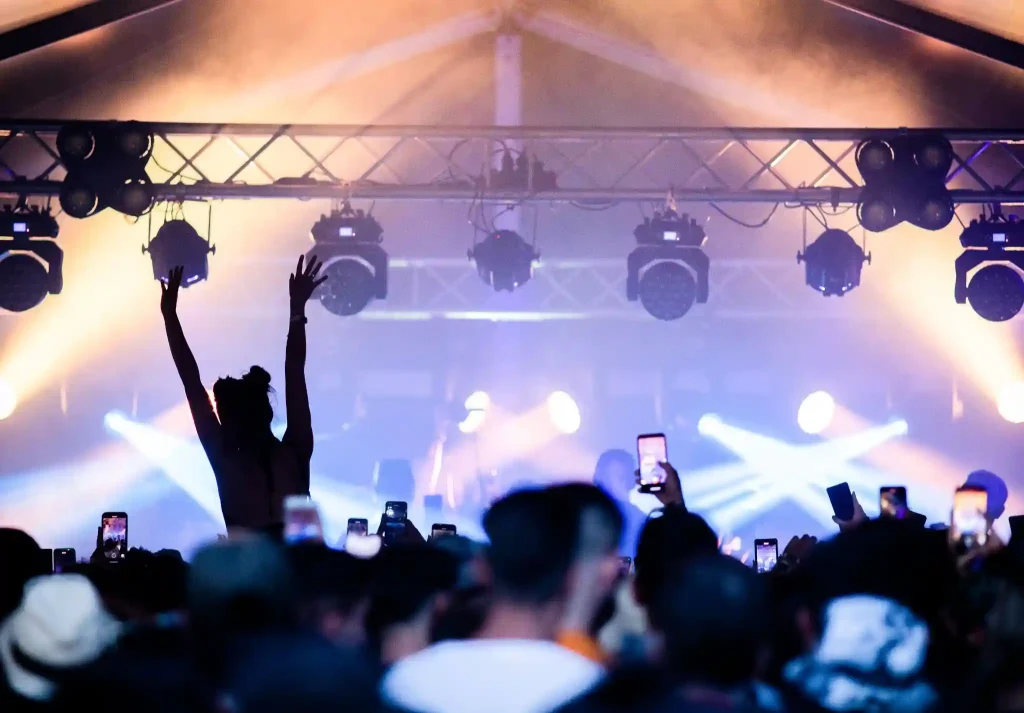
The support act at any show you attend was selected by someone whose taste you trusted enough to buy a ticket for the headline act. That curatorial logic makes every support slot a low-friction discovery opportunity that most attendees ignore by arriving after it has finished.
Looking up the support act’s name immediately after their set, before you have forgotten the details that made them interesting, takes thirty seconds and regularly produces the most significant artist discoveries available to a regular concert-goer.
Small Venue Programming as Curation
Respected small and mid-size venues develop programming reputations over years by booking artists on the way up before anyone else is paying attention. Their booking decisions reflect genuine curatorial conviction from people with professional stakes in getting it right.
A consistent habit of attending shows at venues with strong booking track records in your city produces accumulated early discovery that no digital platform replicates. The artists playing those rooms on a Tuesday night in February are often headlining the same venues eighteen months later.
Social Media and Online Communities for Early Discovery
Music-Focused Online Communities
Reddit communities with dedicated genre focus, r/indieheads, r/hiphopheads, r/electronicmusic, and their equivalents, function as collective discovery systems operated by people whose primary motivation is sharing music they find genuinely interesting. The recommendation quality in these communities is consistently higher than algorithmic alternatives because low-quality recommendations face immediate pushback from knowledgeable audiences.
Discord servers dedicated to specific genres or scenes operate with even higher curatorial density. The barrier to participation is slightly higher, which filters for genuine enthusiasm over casual engagement, and the real-time nature of the format produces faster discovery signals than forum-based alternatives.
Following the Right People on Social Media
The highest-value social media follows for early discovery are not music accounts with large audiences. They are music journalists, independent critics, booking agents, and respected musicians who share what they are genuinely listening to rather than what they are paid to promote.
What established artists repost, recommend, and collaborate with is a particularly reliable signal. When a musician you respect shares an unknown artist’s track without commercial motivation, that is a peer endorsement carrying more curatorial weight than any editorial recommendation.
Record Labels and Festivals as Curated Discovery Systems
A new signing to a respected independent label is one of the strongest early discovery signals available. Labels like Warp, XL, Sub Pop, Secretly Canadian, Hyperdub, and 4AD have track records built on identifying artists before mainstream recognition. Following their new signing announcements requires minimal effort and consistently produces early access to artists on meaningful trajectories.
Festival lineups in the lower billing tiers function similarly. The artists in the smallest font on a respected festival poster were booked by programmers with professional reputations contingent on getting those decisions right. The bottom third of a Primavera, End of the Road, or Pitchfork Festival lineup is an expertly curated emerging artist watchlist that requires no additional research to access.
Building a Personal Early Discovery System That Compounds Over Time
No single source produces consistent early discovery across all genres and contexts. The system that works is built from multiple non-overlapping sources: one or two editorial publications, one video platform, one online community, one label roster, and a live music habit.
Maintaining a simple note of newly discovered artists and the sources that surfaced them creates a feedback loop. After six months, the sources producing the most interesting discoveries become clear, and the ones producing noise can be deprioritized. The system self-improves with use.
Following one new unfamiliar artist per week, actively listening to their available catalogue rather than passively adding them to a playlist, compounds into a substantially expanded musical landscape within a year. That is the rate at which genuine early discovery habit builds into a richer relationship with music overall.
Conclusion
The ability to find new music artists before mainstream recognition is not a matter of luck or insider access. It is a skill built from choosing active curation over passive consumption, strategic use of non-algorithmic sources, and consistent habits that improve over time.
Pick one discovery source from this guide. Follow one unfamiliar artist today. The system builds from that first deliberate step.