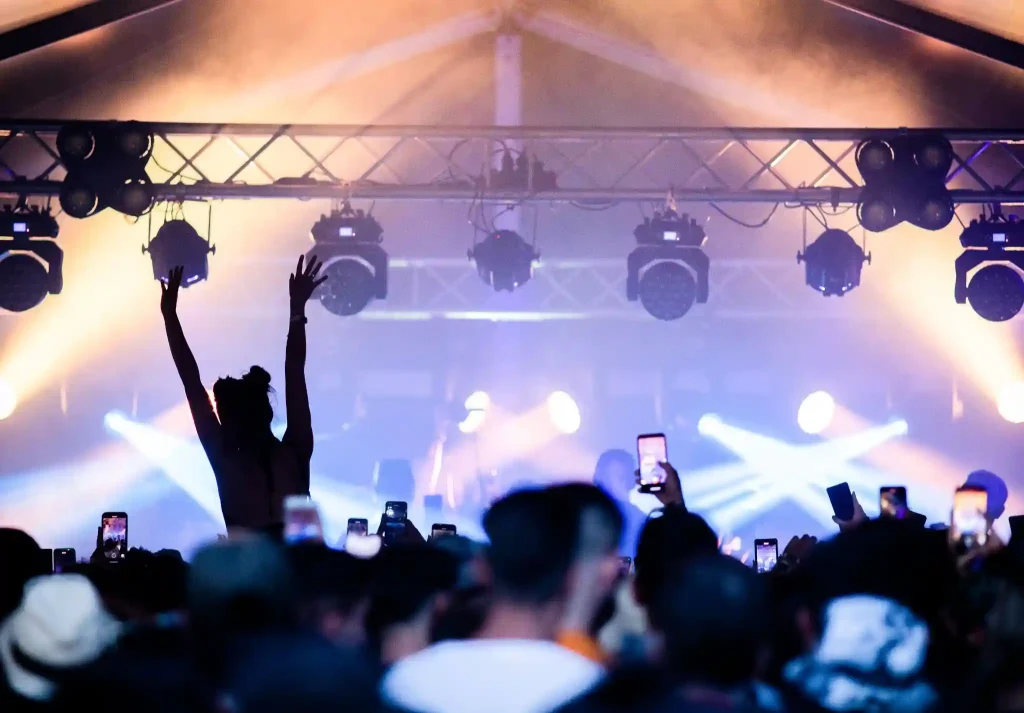

The music festival format has survived every predicted disruption. Streaming was supposed to make live events redundant. The pandemic was supposed to permanently alter the appetite for large gatherings. Neither prediction held. But the festivals thriving in 2026 look meaningfully different from those that dominated a decade ago, and the changes are structural rather than cosmetic.
Understanding current music festival trends matters for everyone connected to the live events ecosystem. Attendees are making ticket decisions. Organizers are navigating rising costs and shifting expectations. Artists are evaluating which festivals align with their values and audience. The landscape is shifting faster than most industry commentary acknowledges.
Why the Festival Landscape Is Shifting More Rapidly Than Ever
Three forces are converging simultaneously to reshape the festival industry in ways that have no recent precedent.
The first is economic. Production costs have risen substantially since festivals returned post-pandemic. Headline artist fees have inflated as a relatively small number of globally recognized acts compete for a fixed number of top-of-bill slots. Meanwhile, audience expectations have risen rather than moderated. The result is a cost structure that is genuinely difficult to manage within ticket price points that audiences will accept.
The second is consolidation. Live Nation controls an increasing share of the major festival market globally. This concentration shapes programming decisions, artist routing, and ticket pricing in ways that affect the entire industry, including independent events that operate in its shadow. The homogenization this produces is one of the structural drivers pushing audiences toward boutique and specialist alternatives.
The third is cultural. Streaming has changed what festivals need to justify. When music is infinitely accessible, a festival cannot justify itself purely on access to music. It has to justify itself as an experience, a community, a set of values. The festivals understanding this are building something different. The ones that have not noticed are struggling.
The Experience Economy: Festivals as Immersive Destinations
Beyond the Headliner Model
The traditional model, three headline acts and supporting programming, is being supplemented by immersive experience design that extends the value proposition of attending. The most forward-thinking festivals in 2026 are building environments where the art installations, culinary programming, and themed spaces compete with the music for audience attention and are considered programming decisions in their own right.
The commercial logic is clear. When headline act fees consume an increasing proportion of the programming budget, the value proposition needs to expand beyond the performances. Experience diversification creates content that extends the festival’s social media presence, attracts sponsors aligned with specific lifestyle categories, and reaches audiences who might not buy a ticket for the music alone.
Wellness and Intentional Consumption
Wellness programming has moved from niche offering to mainstream festival feature with a speed that reflects genuine demographic change in festival audiences. Yoga at dawn, breathwork sessions, sleep-focused camping experiences, and alcohol-free social spaces are no longer curiosities on the program. They are expected features at any festival positioning itself as a premium experience.
The demographic driver is an older, more health-conscious festival audience that brings more disposable income and higher expectations than the student-dominated audience of previous decades. Alcohol-free and low-alcohol options have expanded significantly across major festivals in direct response to this shift. This is not a wellness trend imposed on festival culture from outside. It is a festival culture adapting to who is actually buying the tickets.
Sustainability as a Core Festival Operating Principle
Infrastructure and Supply Chain Changes
The most significant operational sustainability changes at leading festivals are not cosmetic. Renewable energy infrastructure replacing diesel generators. Waste elimination programs targeting single-use plastics at the source rather than managing them post-consumption. Supply chain sourcing policies that prioritize local and regional vendors over national distributors.
Glastonbury’s ban on single-use plastic bottles, Roskilde’s commitment to eliminating food waste, and Primavera’s renewable energy transition have set operational benchmarks that are influencing the broader industry. The gap between these leaders and the majority of festivals remains substantial. The distinction between genuine operational transformation and sustainability marketing is visible to increasingly informed audiences.
Audience Travel and Carbon Impact
Audience travel represents the largest single carbon variable in any festival’s environmental footprint, typically exceeding the operational footprint by a significant multiple. This is the area where most festivals have made the least progress because it requires changing audience behavior rather than operational decisions within the organizer’s control.
The approaches gaining traction include travel partnership incentives that reduce the cost of low-carbon transport options, carbon offset programs integrated into the ticket purchase process, and programming decisions that prioritize regional artists to reduce touring distances. None of these fully resolves the audience travel problem, but the festivals taking it seriously are at least measuring the right things.
Lineup Diversity and Representation as Programming Priorities
Measurable progress in gender representation on festival lineups has occurred in the lower billing tiers over the last five years. The headliner gap remains. The top of the bill at major festivals is still dominated by a narrow demographic range that does not reflect the diversity of the audiences attending or the music being made.
Genre diversity tells a more positive story. Afrobeats, Latin music, K-pop adjacent acts, and global electronic music scenes are featuring on mainstream festival lineups in 2026 in ways that reflect genuine audience demand rather than token representation. This is a structural change in what mainstream festival audiences expect and what programmers are responding to.
The independence variable matters here. Independent festivals are leading on representation in ways that major corporate festivals follow rather than initiate. The programming decisions that become industry standard in three years are being made by independent bookers now. Watching what the most respected independent festivals are booking is the most reliable forward indicator available.
Technology Integration and the Digital Festival Experience
Cashless, Contactless, and Data-Driven Operations
The shift to fully cashless festival operations is now near-complete at major events. The attendee experience benefits are real: faster transactions, no queuing at ATMs, simplified vendor operations. The data implications deserve more attention than they typically receive.
RFID wristband technology has evolved beyond payment processing. Access control, social sharing features, and personalized on-site navigation are standard capabilities. Every transaction, movement, and interaction generates data that festivals are collecting at scale. The leading festivals are beginning to address transparency around data use proactively. The majority are not. This will become a more significant audience concern as awareness grows.
Hybrid and Livestream Festival Formats
Festival livestreaming has matured beyond the emergency solution it was during the pandemic into a deliberate programming and revenue strategy. The 2026 model involves dedicated production, multi-camera experiences, and paid access tiers that treat the digital audience as a genuine constituent rather than an afterthought.
The relationship between livestream access and physical ticket demand appears complementary rather than competitive based on current data. Digital access reaches audiences who cannot attend physically due to geography, cost, or accessibility. It functions as a discovery mechanism that increases physical attendance in subsequent years rather than replacing it.
Ticket Pricing, Accessibility, and the Affordability Crisis
Festival ticket price inflation over the last five years has significantly outpaced general inflation and wage growth in most markets. The introduction of dynamic pricing models imported from arena touring is accelerating this trend and generating substantial audience backlash in ways that static pricing increases did not.
The affordability crisis is creating a two-tier festival landscape. Premium experiences priced for higher-income audiences are thriving. The mid-range festival, culturally accessible without being budget-only, is contracting. This is not only a commercial problem. It is a cultural one for an art form that built its identity on the idea of inclusive community gathering.
The festivals doing meaningful work on accessibility stand out precisely because so few are. Payment plans spread across several months, community ticket allocations, structured volunteer programs, and local audience pricing initiatives all exist at individual festivals. None has become an industry standard. The gap between what is possible and what is practiced remains wide.
Conclusion
The most significant music festival trends of 2026 reflect a broader shift in what audiences want from live cultural experiences. Depth over spectacle. Authenticity over scale. Genuine values alignment over surface-level marketing. The festivals navigating these trends most successfully are treating them as creative and operational opportunities rather than threats to existing models.
Before your next festival ticket purchase, consider what the event is actually offering beyond the lineup. The most rewarding festival experiences in 2026 are often not the most prominent ones. Evaluate the boutique and specialist options in your region. The experience they deliver is frequently the one the major festivals are trying to recreate, at a fraction of the scale and a multiple of the authenticity.