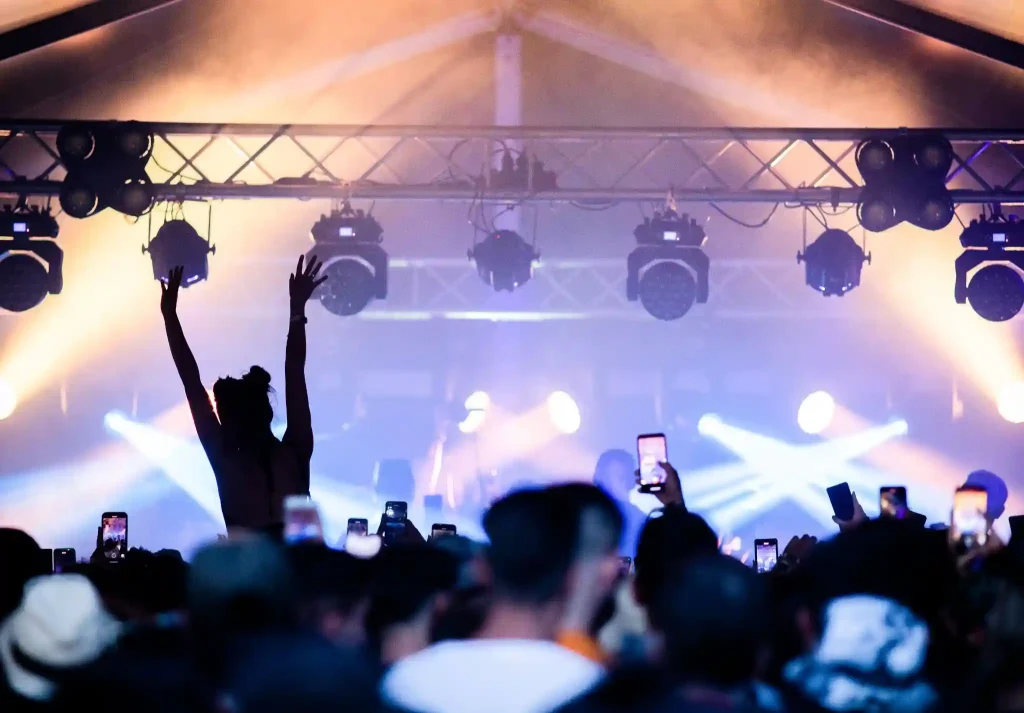

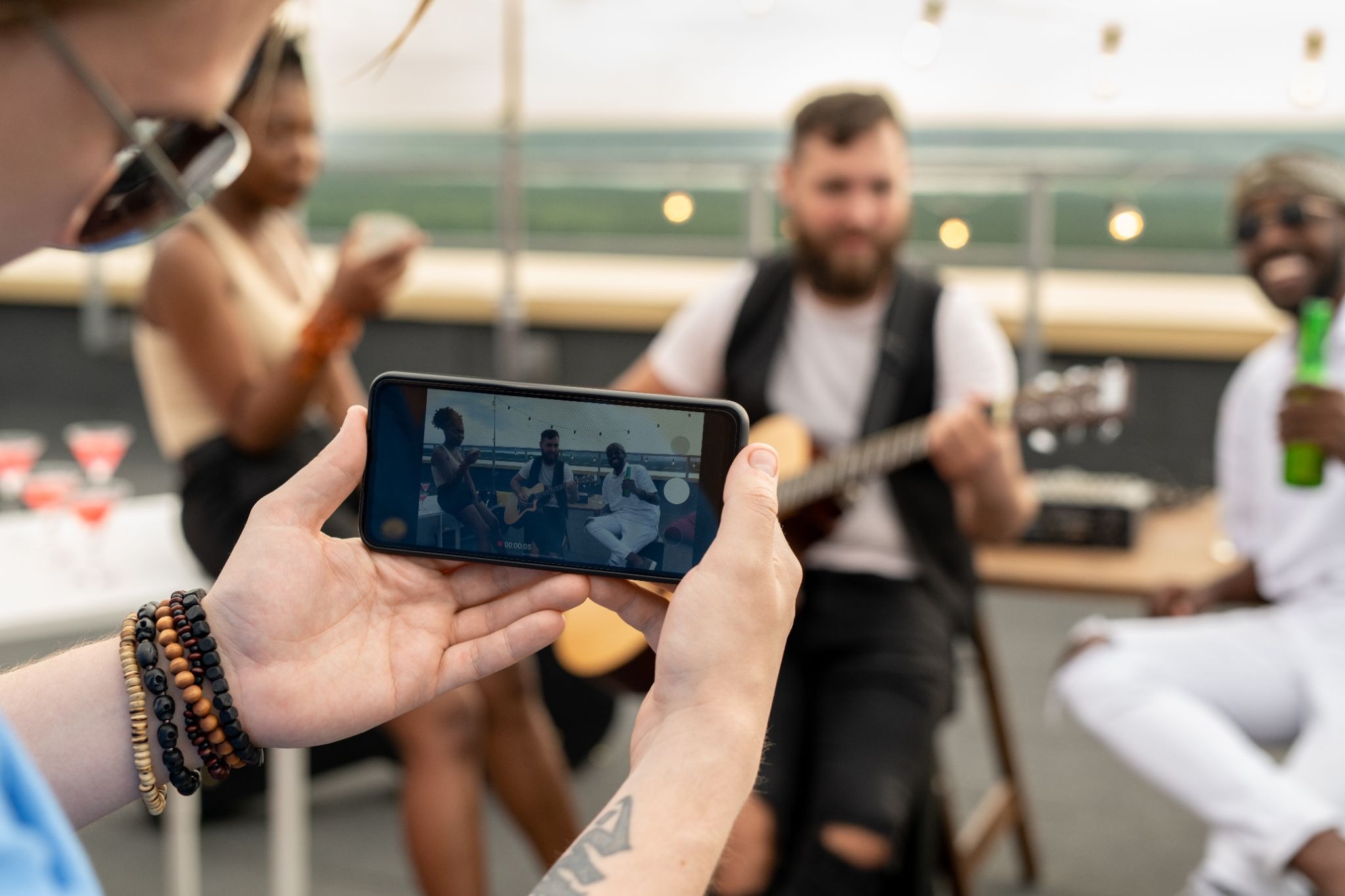
Most people miss great live music not because it does not exist in their city but because they have no system for finding it consistently. The show sells out before they hear about it. The decision to go gets deferred until it is too late. Friday night arrives, and nothing is planned.
A personalized live music calendar solves all of this. Not by giving you more information, but by replacing reactive searching with proactive curation. Here is how to build one that actually works.
Why Random Event Searching Fails Most Music Fans
Last-minute searches are the worst way to find live music. By the time a show appears in your social media feed, the best tickets are gone, and resale prices have inflated. The artist you have been meaning to see sold out three weeks ago. You find out the morning after.
The absence of a system also creates decision fatigue. When there is no pre-planned live music calendar, every potential event requires a fresh decision cycle: Is this worth going to? Can I afford it? Do I have someone to go with? That friction accumulates. The default answer becomes staying home.
Building a live music calendar is fundamentally a habit design problem. The information exists. The events are happening. The bottleneck is the system that gets you there.
Step One: Define Your Live Music Preferences and Priorities
Mapping Your Genre and Artist Landscape
Before building any calendar infrastructure, spend twenty minutes mapping your current musical landscape. List your must-see artists, the ones you would rearrange your schedule for. Add a second tier of want-to-see artists, where you would go if the timing works. Then create a deliberate discovery layer: artists you have heard about but not fully explored yet.
This tiered structure gives the calendar a decision framework. When two events clash, the tier system resolves the conflict without deliberation. The must-see always wins. The discovery tier keeps the calendar from becoming a closed loop of familiar names.
Setting Attendance Parameters
Realistic parameters prevent overcommitment and calendar abandonment. Decide upfront how many events per month is genuinely achievable given your schedule, budget, and energy. One event per month, consistently maintained, produces better results than six events planned and two attended.
Define a travel radius. Define a per-event budget that includes ticket, transport, and incidental costs rather than just the face value. Clarify your venue preferences. These parameters do not limit the calendar. They make it functional.
Step Two: Building Your Event Discovery Stack
Primary Digital Discovery Tools
Songkick and Bandsintown are the essential starting points. Connect both to your primary streaming account, whether Spotify or Apple Music, and they generate automated alerts whenever a tracked artist announces a nearby show. The personalization is immediate and requires no ongoing maintenance once configured.
Google Alerts set for specific artist names, local venue names, and phrases like live music followed by your city name create a secondary layer that catches announcements before they reach aggregator platforms. This takes ten minutes to set up and runs passively in the background.
Secondary and Local Discovery Sources
Venue mailing lists are the most underused resource in live music discovery. Smaller venues often email subscribers directly about new show announcements before listing them anywhere else. Subscribing to the mailing lists of five or six venues in your city takes five minutes and consistently produces earlier access to events and presale opportunities.
Following local promoters and booking agents on social media surfaces events at the source rather than waiting for them to filter through aggregators. Local music journalists and bloggers add editorial curation that algorithms cannot replicate. The diversification of discovery sources is also a safeguard against the filter bubble effect, where algorithm-driven platforms reinforce existing tastes rather than expanding them.
Step Three: Choosing the Right Calendar Infrastructure
Google Calendar or Apple Calendar both work well for a live music calendar when configured correctly. Create a dedicated calendar layer in a distinct color that overlays your personal schedule without merging with it. Set two reminders for each event: one when tickets go on sale, and one forty-eight hours before the show.
Songkick’s built-in calendar tracking function is a simpler alternative that keeps live music planning within a single platform. It lacks the scheduling integration of a full calendar app but reduces the maintenance overhead considerably.
The right infrastructure is the one you will actually use. A well-maintained simple system outperforms a sophisticated one that creates friction. If a physical notebook dedicated to live music planning works better for your thinking style than any app, use that.
Step Four: Managing Tickets, Budget, and Advance Planning
The gap between discovering an event and buying a ticket is where most intended attendance fails. An event gets added to a mental list. The ticket purchase gets deferred. Three weeks later, the show is sold out.
A simple rule closes this gap: buy the ticket within twenty-four hours of adding an event to the calendar. This is not about impulsiveness. It is about removing the decision from a future version of yourself who will have more competing priorities and less enthusiasm than you do right now.
Set calendar reminders for ticket on-sale dates, not just for the event itself. For high-demand shows, the on-sale date reminder is more valuable than the event reminder. Understanding the difference between general sale and presale access, which is available through artist fan clubs, venue membership, or certain credit cards, can secure tickets for shows that sell out in general sale within minutes.
Step Five: Building Discovery Into the Calendar
A live music calendar that only tracks artists you already know is a logistics tool. A calendar that actively builds in discovery becomes something more valuable: a system for musical growth.
Schedule one unfamiliar artist per month as a deliberate calendar practice. This does not require extensive research. It can be as simple as committing to see the support act at a show you are already attending, or choosing an event at a venue you trust even when the headliner is unfamiliar.
Tracking which events produced the best experiences creates a feedback loop over time. A brief note after each show, the artist, the venue, and a one-sentence impression, takes two minutes and generates a personal archive that informs future curation more accurately than any algorithm. The artists you discover in support slots often become headliners you prioritize within a year.
FAQs
What is the best free app for building a personalized live music calendar in my city?
Songkick and Bandsintown are the best free options. Both connect to streaming accounts and send automated alerts when tracked artists announce nearby shows.
How far in advance should I add events to my live music calendar to get the best tickets?
Add events immediately on announcement and set on-sale reminders. For popular shows, presale access through fan clubs or venue memberships often beats general sale timing.
Can I sync my live music calendar with Google Calendar or Apple Calendar?
Songkick and some ticketing platforms offer calendar export functions. Alternatively, manually adding events to a dedicated color-coded calendar layer works effectively for most users.
How do I find live music events in my city that are not on major platforms like Songkick?
Subscribe to venue mailing lists, follow local promoters on social media, and check local music blogs. These sources consistently surface smaller events that aggregator platforms miss.
How many live music events should I realistically plan per month using a personal calendar?
One to three events per month is sustainable for most people. Consistency matters more than volume. A well-maintained calendar with modest targets outperforms an ambitious one with low follow-through.