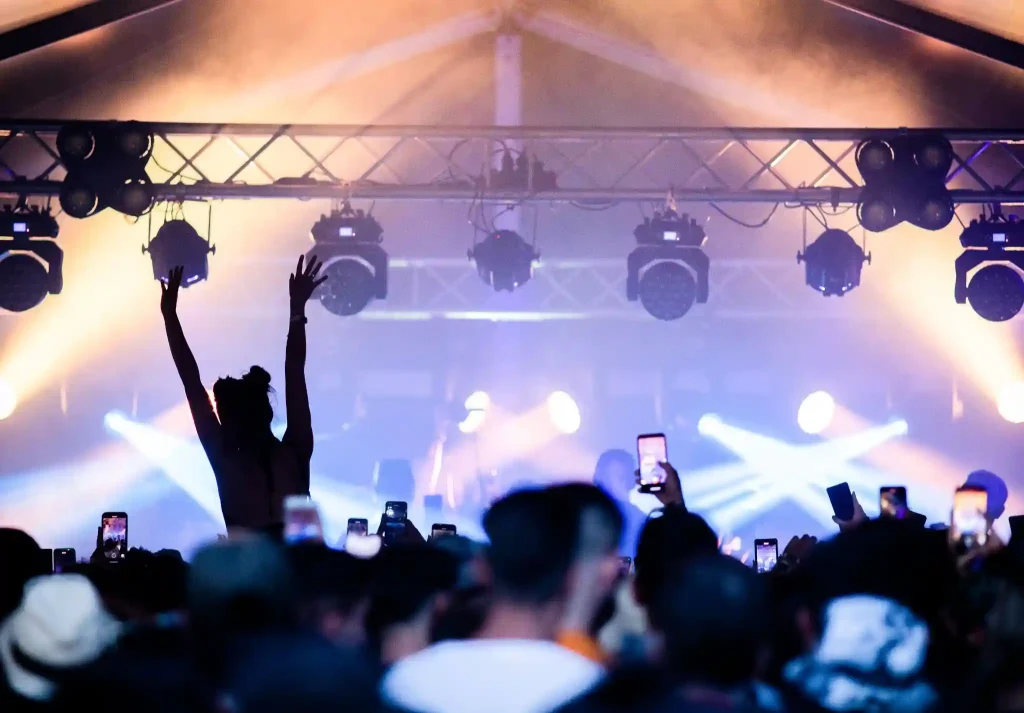

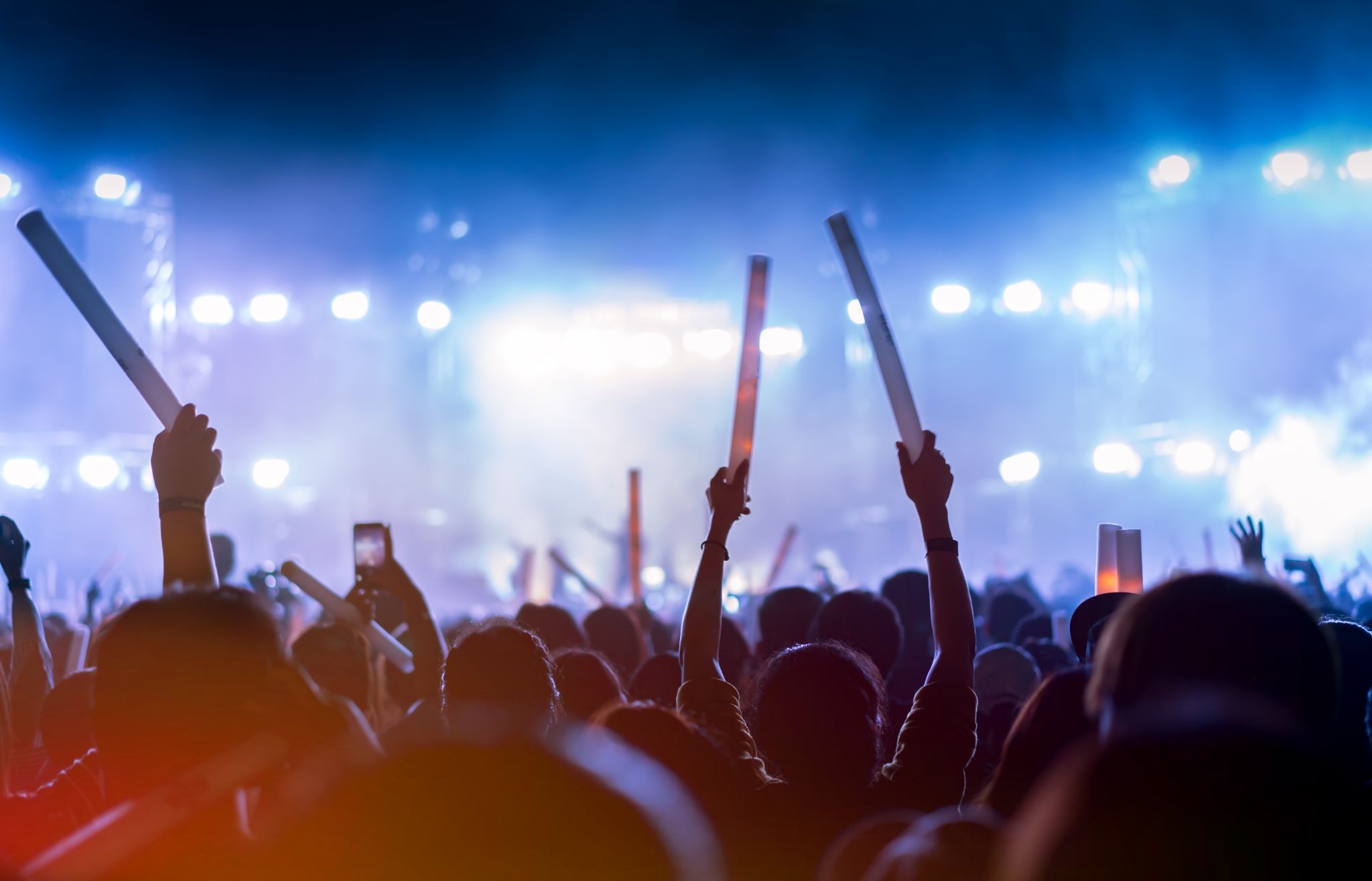
Live music is not just entertainment. It is one of the few experiences that creates genuine collective presence, where strangers share the same emotional moment in real time, in the same room, without a screen between them. That quality is rare. And it is worth planning for.
But finding the top live music events this month requires more than a quick search. The most prominent show is not always the most rewarding one. The highest-priced ticket does not guarantee the best experience. Knowing how to discover, evaluate, and attend live music well is its own skill, and this guide covers all of it.
Why Live Music Experiences Are Not All Equal
Not all concerts are created equal, and the difference rarely comes down to the artist alone.
Venue size and acoustic quality shape the experience more than most people account for when buying tickets. A performer who commands complete attention in a five-hundred-capacity theatre can feel distant and disconnected in a twenty-thousand-seat arena, even with superior production. The relationship between performer and audience changes structurally at scale. Intimacy is not just atmospheric. It is acoustic, spatial, and psychological.
Production quality matters too. Setlist construction, the sequencing of songs and energy management across a full show, separates artists who understand live performance as a craft from those who simply reproduce their recordings on stage. Crowd energy is the third variable, and it is unpredictable. Some nights a room ignites for reasons nobody fully controls. That unpredictability is part of what makes live music irreplaceable..
How to Find the Top Live Music Events in Your Area
Digital Platforms and Event Aggregators
The most effective discovery tools go beyond basic event listing. Songkick and Bandsintown both allow users to connect their Spotify or Apple Music accounts, which generates personalized event recommendations based on actual listening history rather than generic popularity. If you listen to an artist regularly and they announce a nearby show, you hear about it immediately. That personalization is more valuable than browsing generic event calendars.
Setlist.fm serves a different function. It aggregates setlists from previous shows on an active tour, allowing you to understand what a live show actually looks like before committing to a ticket. For artists with extensive catalogues, knowing which era of their work they are currently performing is genuinely useful information.
Resident Advisor remains the authoritative source for electronic music, club nights, and DJ events globally. Its editorial curation sets it apart from algorithm-driven aggregators, and its venue guides provide context about the quality and character of spaces that general platforms do not offer.
Local Discovery Beyond the Algorithm
The events that algorithm-driven platforms miss are often the most interesting ones. Local independent music blogs cover regional scenes with a specificity that national platforms cannot match. Venue newsletters sent directly to subscribers frequently announce shows before they appear on aggregator sites. Following venue social accounts directly rather than waiting for events to surface elsewhere gives you a meaningful head start on tickets for high-demand smaller shows.
Record store noticeboards and staff recommendations remain surprisingly effective for discovering live music, particularly in cities with active independent music retail. The person behind the counter at an independent record shop is often the most informed live music guide in the room. Radio stations with dedicated live music programming, particularly community and independent stations, surface regional and emerging acts that streaming algorithms have no data on yet.
Major Concerts and Arena Shows This Month
What to Expect From Large-Scale Productions
The major touring landscape this month reflects a broader industry pattern: large-scale productions have become increasingly theatrical, incorporating immersive staging, synchronized lighting arrays, and visual storytelling that extends the concert beyond the music itself. For the right artist, this production investment creates an experience that justifies the scale. For others, it creates spectacle without emotional depth.
Dynamic ticket pricing has changed the economics of major shows significantly. Prices for high-demand events now fluctuate based on real-time demand in a way that catches many buyers off guard. The practical advice is straightforward: buy through official channels at the moment of general sale, set alerts in advance, and avoid secondary market platforms where possible. The difference between face value and resale for top live music events at arena level can be several hundred euros or pounds for the same seat.
Navigating the Arena Concert Experience
Preparation transforms the arena concert experience. Arriving early enough to avoid the bottleneck at security and bag check is the single most practical improvement most people can make. Venue apps with digital ticketing, downloaded in advance, eliminate the queue at the box office. Merchandise queues at major shows are longest in the thirty minutes before doors open and shortest during the opening act’s set.
Floor standing versus seated positions is a choice that depends heavily on the artist and your own preferences. Floor positions offer energy and proximity but require physical stamina and tolerance for crowd density. Seated positions, particularly in the lower bowl of a well-designed arena, offer better sightlines and acoustics for many show configurations. Neither is universally superior. The right choice depends on whether you want to be in the event or watch it.
Intimate Venues and Club Shows: Where Discovery Happens
Small and mid-size venues offer what arenas structurally cannot: acoustic intimacy, sightline proximity, and the sense that something unrepeatable is happening in real time. The sound in a well-designed eight-hundred-capacity venue is almost always better than in a twenty-thousand-seat arena, because the physics of sound reinforcement work differently at scale.
The club circuit this month almost certainly features artists who will be headlining festivals within the next one to two years. Identifying them now is a genuine pleasure. The indicators are consistent: critical attention in specialist press, rapidly growing streaming numbers, and tour dates that are selling out faster than the artist’s current profile would predict. These are the shows where a fifteen-euro ticket produces a memory that stays with you.
When evaluating an unfamiliar smaller venue, three things matter most. Sound reputation, which is best assessed through reviews from people who have attended shows there rather than the venue’s own marketing. Sightline design, which determines whether there is a bad position in the room. And capacity management, which affects how crowded and physically comfortable the experience is. A venue that oversells creates a poor experience regardless of the quality of the performance.
Live Music Festivals and Multi-Day Events
Urban Festivals and City-Wide Music Events
Urban music festivals concentrate live music density in ways that rural festivals cannot. The logistical accessibility, the ability to go home rather than camp, the presence of the city’s own infrastructure, changes the experience significantly. City-wide showcase events, where multiple venues host coordinated programming across a weekend, offer the discovery potential of a festival with the acoustic quality of dedicated performance spaces.
These events also function as launching platforms. Emerging artists on urban festival lineups are often there because programmers with strong ears have identified them early. Following those curatorial decisions, specifically attending the unknown acts on a festival programme, is one of the most reliable ways to discover live music that matters before it becomes widely known.
Specialist and Genre-Focused Events
Genre-focused events consistently produce higher quality experiences for listeners with genuine investment in a specific musical world. A jazz festival programmes jazz because its audience expects and demands serious programming. An electronic music summit books artists based on artistic reputation within that scene rather than general chart profile. The audience at a folk gathering has come to listen carefully.
This focus produces more adventurous programming and deeper audience engagement than general-audience festivals, where programmers must balance discovery with accessibility. If you have a specific musical passion, the specialist events in that genre are almost always the highest-quality live experiences available in that area. They are also frequently underattended relative to their quality, which makes the experience even better.
How to Get the Most From Live Music Events This Month
Pre-show preparation matters more than most concertgoers acknowledge. Deep familiarity with an artist’s catalogue, specifically the album they are currently touring and the songs they have been playing live, transforms passive attendance into active engagement. You recognize the opening chord. You understand what the setlist choice means. The experience becomes richer in direct proportion to what you bring to it.
Arriving early enough to catch support acts changes the discovery value of any live event. The support act exists because someone whose taste you trust, usually the headlining artist or their management, selected them. That is a meaningful curatorial signal that most people
Conclusion
The top live music events this month span every genre, format, and price point. The best experience is not always the most prominent one. A club show in an eight-hundred-capacity room on a Tuesday night can produce a memory that outlasts any arena spectacle.
Live music discovery is an active practice. The most rewarding experiences come from following curiosity rather than popularity, from going to the show you are not sure about, from arriving early, from putting the phone away. Check your preferred discovery platform today. Find one event outside your usual genre comfort zone. Go. The room will do the rest.