
Good live shows feel effortless when they are not. Planning makes the experience calmer and more enjoyable. With simple choices, you can avoid stress and focus on the music. This guide assumes you know venue basics and ticket types. It focuses on why live music event planning matters and how to do it well. Read on to find practical steps you can use before, during, and after the show.
Define Your Priorities and Set Realistic Expectations
The first step in live music event planning is to decide what matters most to you. Are you there to see the artist up close, to socialize with friends, or to sample a full festival day? These priorities affect everything from ticket choice to arrival time.
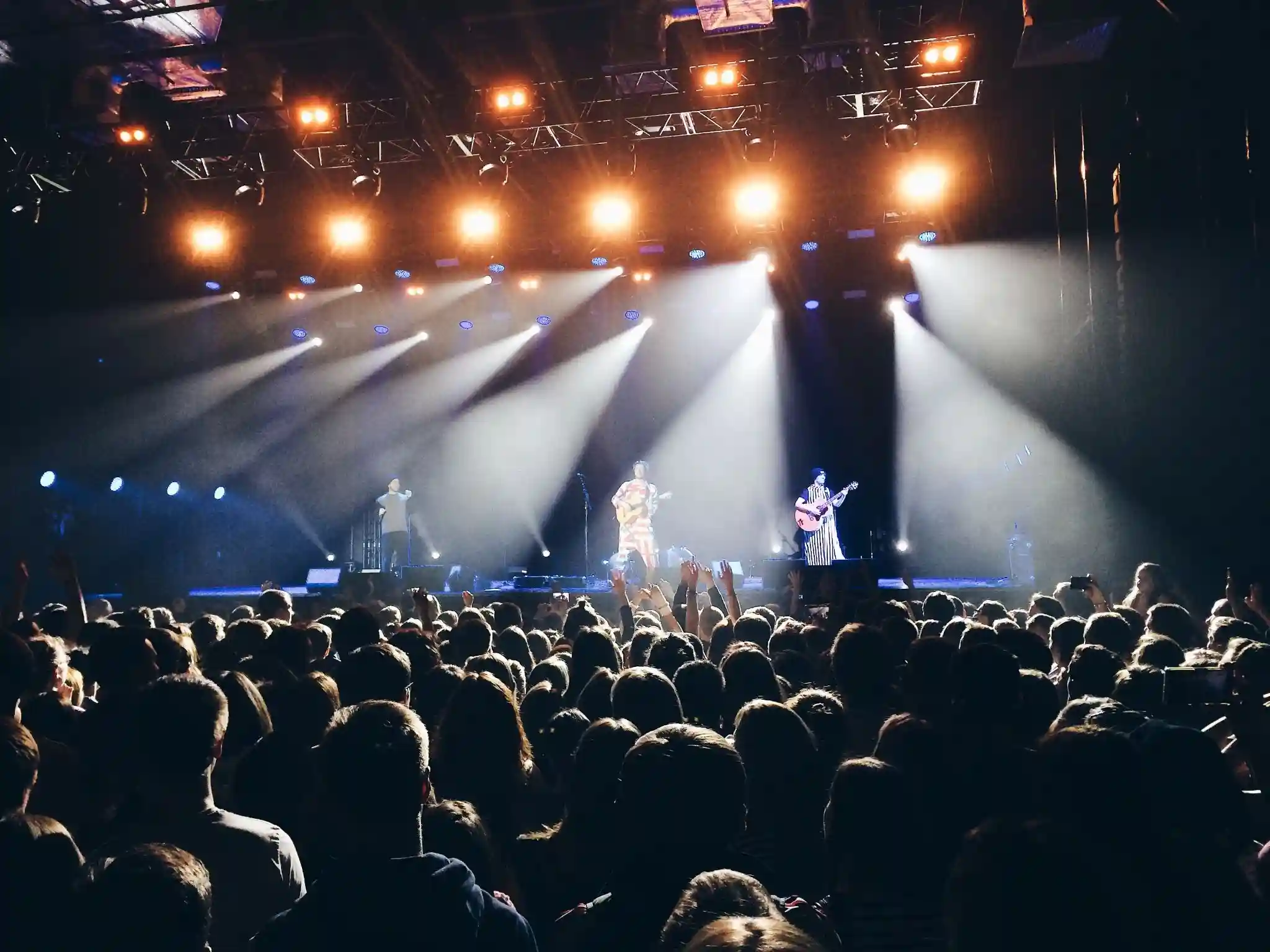
Set expectations for crowd size, sound levels, and schedule changes. If you want the best view, expect to arrive early. If you prefer to avoid crowds, accept a farther view and a later arrival. Realistic expectations make trade-offs easier to accept. When you know what you value, choices become simple, and the whole outing feels smoother. Good live music event planning starts with honest priorities.
Tickets, Seating, and Financial Preparation
Choosing the right ticket type is central to successful live music event planning. General admission, assigned seats, and VIP packages each come with different benefits and responsibilities. Buy from trusted sellers and double-check ticket delivery methods.
Plan the full cost of attending beyond the ticket. Include travel, parking, food, and merch in your budget so surprises do not spoil the day. Prebuying items like parking or upgrades can reduce time in lines and free up the evening. Confirm refund and transfer policies before you buy. Understanding those terms makes it easier to respond to changes. Clear financial planning keeps the focus on enjoying the show.
Travel Logistics and Arrival Strategy
Travel is often the most unpredictable part of live music event planning. Map out transit options and estimate travel time with buffers for traffic and delays. Consider public transit when possible to avoid parking stress.
Plan your arrival based on your ticket type and goals. Early arrival suits those who want prime spots or merch. If you prefer a calmer entry, arrive closer to the performance start and accept a less central position. Think about departure too. Late-night trains or packed roads can add hassle. Build a return plan with alternatives and leave a time cushion to make the end of the night as pleasant as the start.
Packing and Gear Checklist
Packing wisely is a core skill in live music event planning. Bring your ID and tickets in a secure place and carry both cash and a card for backup. A phone charger and any required medication should be easy to access.
Check venue rules for banned items and bag sizes before you pack. Losing time at security for a prohibited item can ruin the pre-show mood. Dress for the weather and for comfort, and bring layers for late shows. Small comforts make a big difference. Earplugs, a lightweight rain jacket, and comfortable shoes help you enjoy long sets and crowded spaces. Thoughtful packing keeps the focus on the music.
Health, Safety, and Accessibility Considerations
Health and safety are nonnegotiable parts of live music event planning. Get a good night’s sleep, eat a solid meal, and hydrate before you go. Managing your energy helps you enjoy the full event.
Plan for emergencies by picking meeting points and sharing them with your group. Know the venue exits and staff locations in case you need assistance. If you have accessibility needs, contact the venue in advance to confirm arrangements and seats. Respect personal boundaries and be mindful in crowded spaces. Good planning includes caring for yourself and others so everyone can enjoy the show safely.
Group Coordination and Communication
Coordinating with friends is often the trickiest part of live music event planning. Agree on a meeting spot outside the venue and a backup plan if cell service is poor. Share arrival windows so group members do not wait alone for long periods.
Assign simple roles if it helps. One person can handle tickets, another can manage transport details, and a third can track timing. Clear leadership reduces friction and keeps the group moving. Keep plans flexible enough for small changes but firm enough to keep everyone aligned. A little structure avoids last-minute scrambling and makes the night feel well-managed.
Maximizing the Showday Experience
On the day of the event, stick to the plan and allow room for small pleasures. Arrive with time to spare so you can find your spot, visit the restroom, and soak in the atmosphere before the music starts. Rushing diminishes the experience.
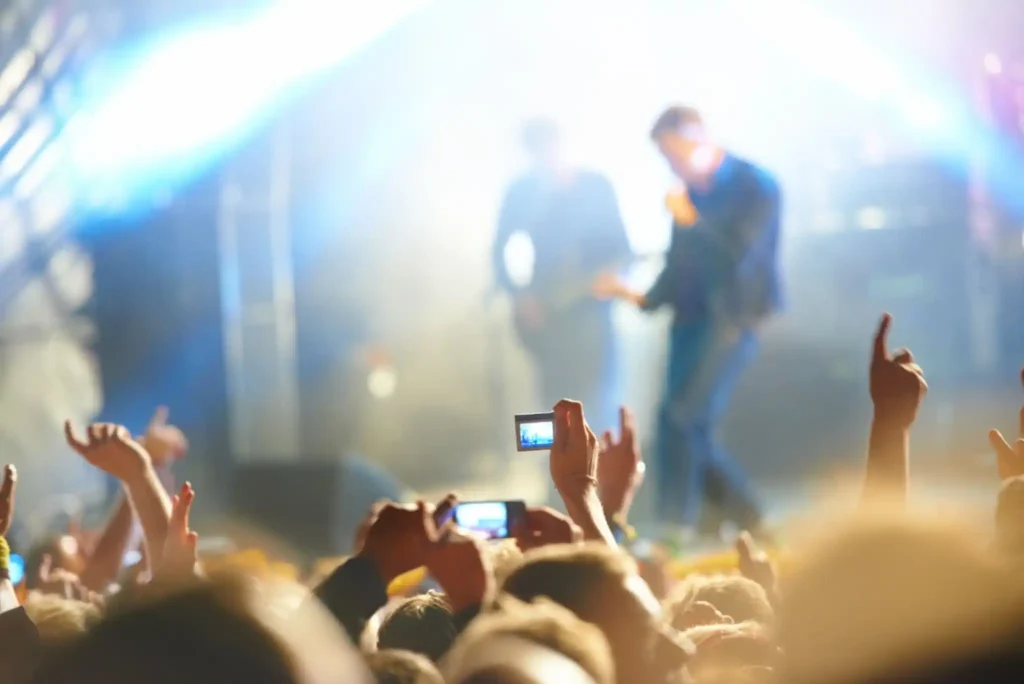
Pace your energy across the night, especially at festivals with long days. Eat between sets and rest when possible so you still have the stamina for the headline act. Take short breaks to buy merch or explore vendors without missing key moments. Stay present during the performance and limit screen time. Recording a few clips is fine, but being fully there creates the best memories. Thoughtful live music event planning includes planning to listen.
Post-event Plans and Contingencies
Good live music event planning continues after the final encore. Arrange clear pickup points and reconfirm transit schedules to avoid confusion at night. Keep a backup plan for late departures or canceled services.
Know where to report lost items and have a plan for meeting if someone gets separated. Having a small contingency fund for taxis or extra tickets avoids panic. Plan for the unexpected, and the end of the night becomes much less stressful. Use the quiet time after the show to decompress. Share highlights with your group and note small improvements for next time to make future planning easier.
Review and Learn for Future Events
A short debrief is a powerful way to improve your live music event planning. Talk about what went well and what caused friction. Keep a short checklist of changes to implement next time.
Save useful details like best arrival times, preferred vendors, and transport tips. These small notes compound into smoother outings over time. Learning from each event makes the next one easier and more fun. Treat each show as practice for better planning. The effort pays off in lower stress and higher enjoyment every time you go out. Live music event planning gets smarter with experience and simple reflection.