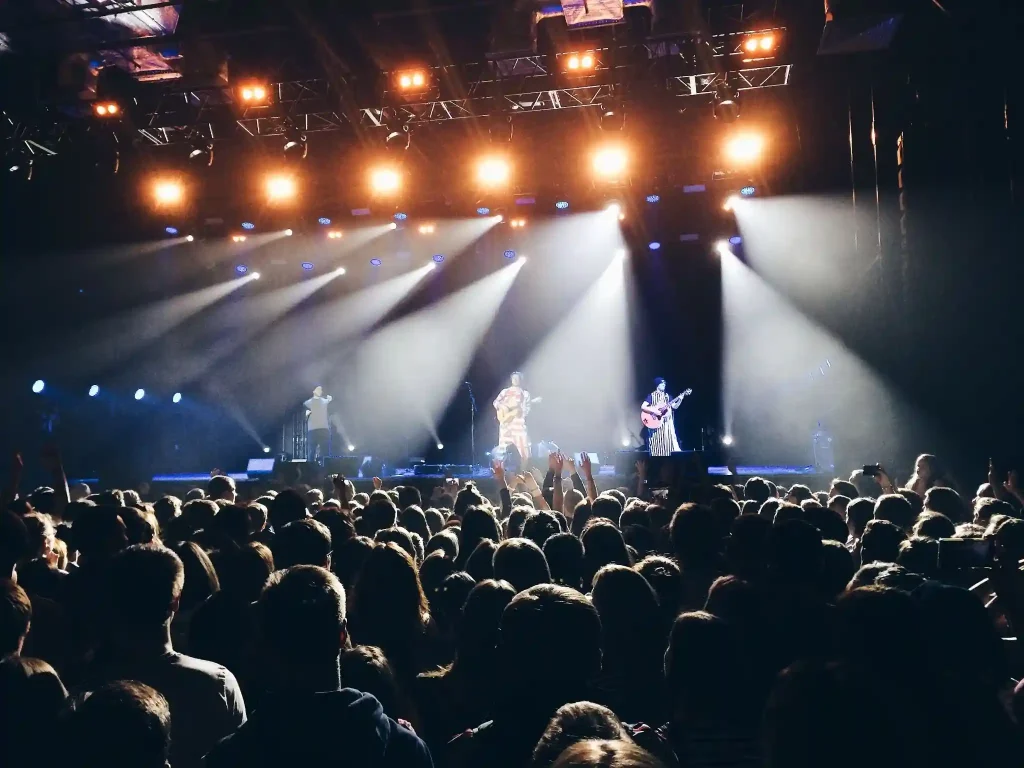


Music has become more global, mobile, and experience-driven than ever. Fans no longer wait for posters or local ads. They rely on live music calendars to track concerts, festivals, and tours in real time. These calendars simplify discovery and help people plan attendance with confidence. They also reduce the risk of missing events due to last-minute announcements or schedule changes. For travelers, they play an even bigger role. Many trips are now planned around concerts or music festivals, turning travel into a cultural experience rather than just sightseeing. A reliable calendar is not just useful, it is essential for modern music engagement.
What Makes a Live Music Calendar Reliable and Trustworthy
Reliability in live music listings depends on how data is sourced and maintained. A strong platform does more than list events. It verifies them, updates them frequently, and removes outdated information quickly. Without these steps, users risk confusion and wasted plans. Trustworthy live music calendars focus on accuracy, coverage, and verification as core priorities.
Accuracy of Event Listings and Real-Time Updates
Accurate details like date, venue, and lineup are critical. Events often change, and real-time updates ensure users are always seeing the latest version. A delay in updating information can result in missed concerts or incorrect bookings.
Coverage of Local, Regional, and Global Events
A reliable calendar should not only show major international tours. It should also include local gigs, small festivals, and niche performances. This balance helps users discover both mainstream and underground music scenes.
Verification of Venues, Artists, and Ticket Sources
Strong platforms verify listings through official sources such as venues, promoters, or artist announcements. This reduces fake listings and protects users from unreliable ticket links or fraudulent events.
Major Global Platforms That Curate Live Music Calendars
Large international platforms play a central role in how people discover concerts. These services combine ticket sales, event discovery, and scheduling into one ecosystem. They often pull data directly from venues and promoters, making them highly reliable for mainstream concerts and global tours. Many also integrate with streaming services, recommending events based on listening habits. This creates a personalized discovery system where fans are automatically matched with artists they already enjoy. These platforms dominate large-scale live music calendars, especially for stadium tours and major festivals.
Regional and City-Based Live Music Calendar Curators
While global platforms provide scale, regional curators offer depth and local accuracy. City-based listings often include smaller venues and independent artists that do not appear on global systems. Local venue networks maintain shared calendars that are frequently updated and highly relevant for residents. Independent music blogs and cultural publications also play a key role by highlighting underground shows and genre-specific events. In addition, tourism boards and official city portals often provide verified cultural event calendars, making them useful for travelers seeking reliable local experiences.
Artist and Venue-Led Event Scheduling Systems
One of the most reliable sources of concert information comes directly from artists and venues. Venues usually maintain official websites listing all upcoming shows, ticket availability, and schedule changes. These listings are often the most accurate because they are updated internally. Artists also announce tours through official channels, making their websites and verified social accounts important sources of truth. Booking agencies and promoters coordinate these schedules, especially for international tours, ensuring consistency across different regions and platforms.
Social Media and Community-Driven Live Music Listings
Social media has transformed how people discover concerts. Artists and venues now announce events directly to fans, sometimes in real time. This makes social platforms a fast but sometimes inconsistent source of live music calendars. Fan communities also contribute by sharing concert details, rare performances, and small local events. However, user-generated listings can be unreliable, and information often requires verification. While social media is powerful for discovery, it should be cross-checked with official sources before making plans.
Technology Behind Modern Live Music Calendars
Modern live music systems rely heavily on technology to manage large amounts of data. Platforms aggregate information from ticketing systems, venue databases, and artist announcements into unified listings. Artificial intelligence is increasingly used to recommend concerts based on user behavior, listening history, and location. Geo-targeting helps users discover nearby events instantly, improving relevance. These technologies make live music calendars more personalized and efficient than ever before.
Challenges in Maintaining Accurate Live Music Calendars
Despite advanced systems, maintaining accuracy is still difficult. Concerts are often rescheduled or canceled at short notice, requiring constant updates. Fake listings and unauthorized ticket sales remain a serious issue on some platforms. Coordination between multiple promoters across countries can also lead to inconsistent information. These challenges make real-time verification essential for any reliable calendar system.
How to Choose the Best Live Music Calendar for Your Needs
The best calendar depends on how you use it. Casual listeners may prefer simple apps that highlight popular concerts nearby. Serious concertgoers often need advanced filters by genre, artist, or location. Travelers may prefer global platforms that include festivals and international tours. Choosing the right live music calendars depends on balancing convenience, accuracy, and depth of coverage.
The Role of Live Music Calendars in the Music Industry
Live music calendars are not just helpful for fans—they are important for the entire music ecosystem. They directly influence ticket sales by improving visibility and accessibility. Independent artists benefit from exposure on regional platforms, helping them reach new audiences. These calendars also support tourism by encouraging travel for festivals and concerts, boosting local economies and cultural engagement.
Future Trends in Live Music Calendar Curation
The future of live music discovery is becoming more intelligent and automated. AI will play a bigger role in predicting user preferences and suggesting events. Blockchain technology may improve ticket verification and reduce fraud. Hybrid and virtual concerts are also being integrated into calendars, expanding access beyond physical venues. These innovations will make live music calendars more interactive, accurate, and personalized.
Final Thoughts
Reliable live music calendars are built on accuracy, verification, and technology. While global platforms provide scale, local curators add depth and authenticity. Social media adds speed, but requires caution. The most effective approach is often a combination of sources. As the music industry evolves, these calendars will continue to shape how fans discover, experience, and connect with live music worldwide.