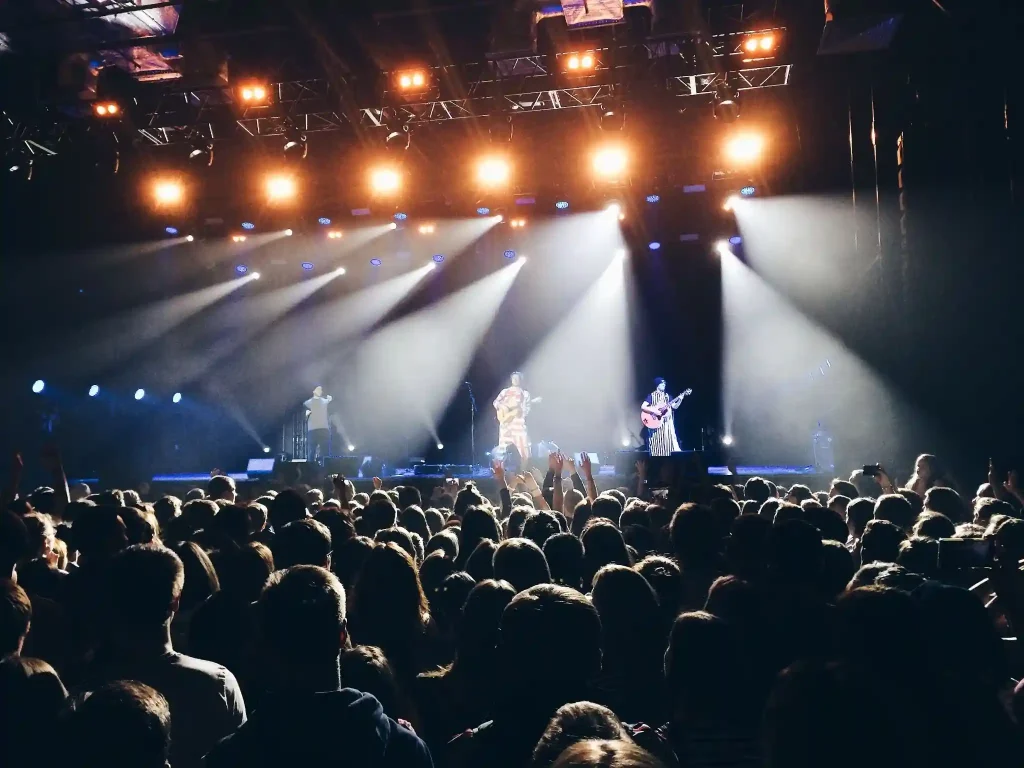

Live music used to mean one thing. You show up at a venue, stand in a crowd, and experience the performance in person. That idea has changed. Digital platforms have opened the door to new ways of attending concerts without being physically present. This shift has forced event organizers and platforms to rethink how music calendars are built. Virtual music concerts are no longer side content. They are becoming a core part of how audiences discover events. For experienced professionals, the question is no longer whether to include them, but how to do it in a way that adds value without overwhelming users.
The evolution of music calendars in a digital-first era
From venue listings to hybrid discovery platforms
Music calendars started as simple listings tied to local venues and physical events, but they have evolved into hybrid discovery systems that combine digital and physical experiences. Platforms now act as discovery engines rather than static lists, helping users explore events based on interests and availability. This shift has made calendars more interactive and personalized, allowing users to discover events they might not have considered before while increasing engagement and repeat visits across platforms.
Audience behavior shifts and demand for flexibility
Audience expectations have changed. People now want flexible access, including the ability to attend events remotely. Virtual music concerts respond to this shift by offering convenience without removing the excitement of live performance, making them essential in modern calendars. Users also expect control over when and how they attend events, which means platforms must adapt to support both real-time participation and on-demand viewing without sacrificing quality.
Why virtual concerts deserve placement in live calendars
Accessibility and global audience reach
Virtual concerts remove geographic limits, allowing fans from different regions to attend the same event. This expands the audience base and gives artists more exposure than traditional local performances ever could. It also creates inclusive opportunities for people who cannot travel due to cost, time, or physical limitations, making music more accessible while strengthening the connection between artists and diverse audiences across the world.
Artist visibility and extended event lifespan
Digital events do not end when the performance finishes. They can be replayed and shared, extending their reach and keeping audiences engaged longer. Virtual music concerts provide lasting value beyond a single moment. This extended lifecycle allows artists to build deeper engagement over time, turning one performance into multiple touchpoints that continue to attract viewers and maintain relevance even after the live session ends.
Decision framework for including virtual events
Evaluating quality, production value, and credibility
Not every virtual event deserves a place in the calendar. Platforms need to assess streaming quality, artist credibility, and overall production standards to ensure users get a consistent experience. High-quality visuals, clear audio, and professional presentation all contribute to user satisfaction. When platforms apply strict evaluation criteria, they maintain trust and ensure that virtual music concerts meet the expectations of audiences who rely on curated recommendations.
Balancing in-person and digital listings
A strong balance prevents one format from dominating the platform. Virtual music concerts should complement physical events, not replace them, maintaining variety and relevance. Platforms need to understand user preferences and ensure both formats are visible without overwhelming the interface. This balance helps maintain diversity in event offerings and ensures users can easily switch between attending in person and enjoying digital experiences based on their needs.
Categorizing and structuring virtual listings effectively
Clear labeling for user expectations
Users should immediately understand whether an event is live, recorded, or hybrid. Clear labels reduce confusion and improve navigation across the platform. When users know exactly what they are selecting, they are more likely to engage with the content. Proper labeling also helps build trust, as users feel confident that the platform is transparent about the type of experience being offered.
Time zones and replay availability considerations
Since audiences are global, time zone clarity is critical. Replay availability also adds flexibility, allowing users to watch events they missed in real time. Platforms that highlight these details clearly improve user satisfaction and engagement. Virtual music concerts become more accessible when users are not restricted by time differences, making it easier for global audiences to participate without confusion or scheduling conflicts.
Monetization and revenue implications
Ticketing models and subscription access
Virtual concerts allow flexible pricing models, including one-time tickets and subscription-based access, creating new revenue streams for platforms and artists. These models provide opportunities for recurring income and long-term audience engagement. By offering different pricing options, platforms can cater to various audience segments, making virtual music concerts financially sustainable while increasing accessibility for a wider range of users.
Sponsorship and brand integration opportunities
Brands can integrate more naturally into digital events, opening new sponsorship possibilities that are harder to achieve in traditional settings. Digital formats allow creative placements and interactive campaigns. This creates added value for sponsors while enhancing the overall experience for viewers. Virtual music concerts provide a flexible environment where brands and artists can collaborate in ways that feel organic and engaging.
Audience engagement and retention strategies
Interactive features and real-time participation
Engagement tools like chat, live reactions, and polls make virtual events feel more dynamic. These features help recreate the social aspect of live performances. When users can interact during the event, they feel more connected and involved. Virtual music concerts benefit from these tools because they transform passive viewing into active participation, which increases satisfaction and encourages users to return for future events.
Building community through digital events
Strong communities form when audiences feel connected. Virtual music concerts succeed when they encourage interaction and shared experiences among viewers. Community building goes beyond the event itself, often extending into forums or social platforms where fans continue to engage. This ongoing interaction strengthens loyalty and turns occasional viewers into regular participants who actively follow artists and events over time.
Technical requirements and platform considerations
Streaming quality, latency, and reliability
Technical performance directly affects user satisfaction. High-quality streaming and low latency ensure a smooth and enjoyable experience. Users expect consistent audio and video without interruptions. If technical issues occur, they quickly lose interest. Virtual music concerts rely on strong infrastructure to deliver reliable performance, making technical investment a priority for any platform aiming to succeed in this space.
Platform selection and integration challenges
Choosing the right platform is essential. It must integrate well with ticketing, user accounts, and analytics systems to support long-term growth. Poor integration can create friction and reduce usability. Platforms that invest in seamless systems improve both user experience and operational efficiency, making virtual music concerts easier to manage and scale over time.
Common mistakes when adding virtual concerts
Overcrowding calendars with low-quality events
Adding too many events without proper curation can overwhelm users and reduce trust in the platform. Quality should always come before quantity. Users prefer a curated experience where they can quickly find valuable content. Virtual music concerts need to be selected carefully to maintain a strong reputation and ensure that every listing adds meaningful value.
Lack of filtering and user personalization
Without strong filters, users struggle to find relevant events. Personalization improves discovery and keeps engagement high. Platforms that tailor recommendations based on user behavior create a better experience. Virtual music concerts become more effective when users can easily find content that matches their interests without spending too much time searching.
Data-driven optimization of hybrid calendars
Tracking user behavior and preferences
User data reveals what works and what does not. Platforms can use this information to improve listings and recommendations. Tracking patterns helps identify trends and preferences. Virtual music concerts perform better when platforms understand how users interact with content and adjust strategies accordingly to improve engagement and satisfaction.
Using analytics to refine event listings
Analytics help optimize placement, timing, and visibility of events. Virtual music concerts benefit from continuous improvement based on real data. Platforms that refine their approach regularly can stay competitive and relevant. Data-driven decisions ensure that calendars evolve with user needs rather than remaining static and outdated.
Future trends shaping virtual music integration
Immersive experiences and virtual reality concerts
New technologies are creating more engaging experiences, allowing users to feel closer to live performances even in digital spaces. Virtual reality and immersive environments offer deeper interaction. These innovations are expected to grow, making virtual music concerts more realistic and engaging while pushing the boundaries of how audiences experience music events.
Long-term impact on traditional live events
Virtual events are not replacing physical concerts but reshaping expectations. Hybrid models will likely become the standard moving forward. Audiences now expect both options to be available. Virtual music concerts will continue to influence how live events are planned and delivered, creating a more flexible and inclusive music ecosystem.
Conclusion: Strategic balance between physical and digital
Virtual concerts are now a core part of music discovery. The challenge is not whether to include them, but how to integrate them effectively. Platforms need to balance physical and digital events to create a complete experience. Virtual music concerts should support traditional listings, not replace them. When done right, they expand reach, improve engagement, and open new opportunities for growth while reflecting how audiences consume music today.