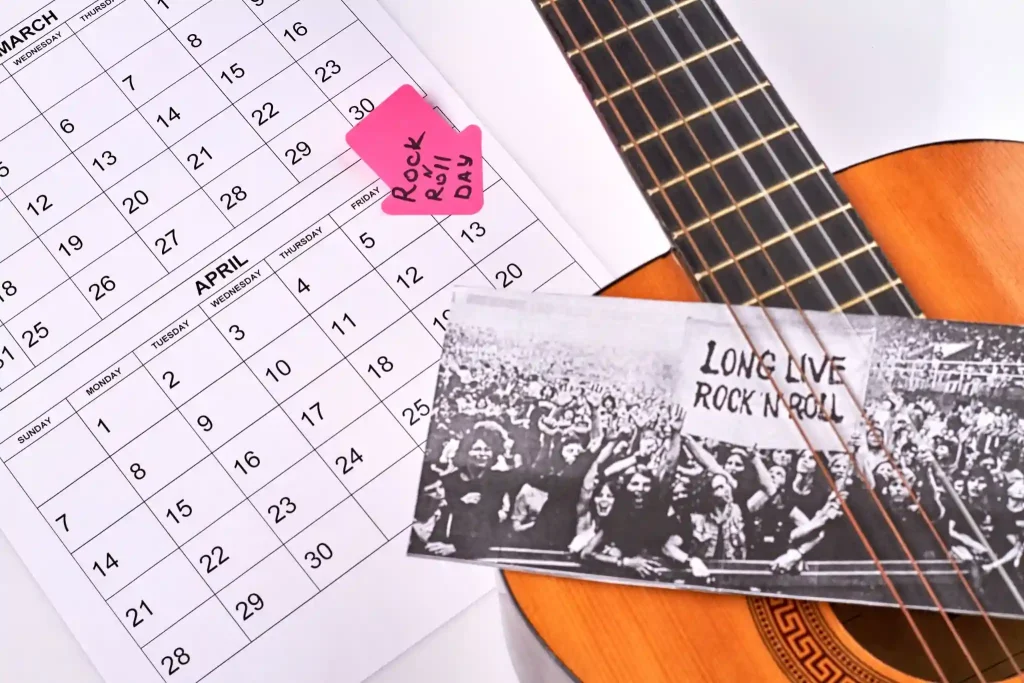


Concert experiences have changed significantly over the last decade. Fans no longer rely on posters, radio announcements, or word of mouth to discover upcoming events. Today, technology plays a central role in helping music lovers organize every aspect of their experience. From discovering new shows to purchasing tickets and managing travel plans, digital tools have become essential for anyone who wants to plan concert attendance effectively. While casual attendees may only need a ticket and a venue address, frequent concertgoers often require a more strategic approach. Multiple events, limited ticket availability, transportation logistics, accommodation decisions, and budget management can quickly become overwhelming without the right tools.
The growing number of concerts and music festivals worldwide has increased the need for better planning systems. Successful concert experiences depend not only on securing tickets but also on coordinating schedules, tracking expenses, monitoring event updates, and avoiding common mistakes. The right apps and platforms help simplify these challenges while improving overall efficiency.
Why Concert Planning Has Become More Complex
Modern concert attendance involves far more moving parts than many people realize. Major tours often sell out within minutes, creating pressure to monitor announcements and secure tickets immediately. Fans may need to compare multiple venues, evaluate seating options, and consider travel costs before making decisions.
Another challenge involves schedule management. Popular artists frequently announce additional dates, venue changes, or special events. Without organized tracking systems, it becomes easy to miss opportunities or overlook important updates. This is why many experienced concertgoers use multiple digital tools to plan concert attendance more effectively.
The rise of destination concerts and music festivals has added another layer of complexity. Attending a show in another city often requires transportation planning, hotel reservations, and budget forecasting. These additional considerations make planning tools increasingly valuable.
Event Discovery Apps Remain Essential
The first step to plan concert attendance successfully is discovering relevant events early. Event discovery applications help users track favorite artists and receive notifications when new concerts are announced.
Many music fans rely on streaming platforms that connect listening habits with upcoming live events. These services automatically identify artists that users follow and provide concert recommendations based on location and preferences. This feature eliminates the need to manually search for upcoming performances.
Dedicated event discovery platforms offer additional advantages. Users can filter events by genre, location, date range, and popularity. This targeted approach saves time and improves the likelihood of finding concerts that match personal interests.
Ticketing Platforms Do More Than Sell Tickets
Many people view ticketing applications simply as purchasing platforms, but they offer far more functionality than basic transactions. Modern ticketing systems provide event alerts, waiting lists, digital ticket storage, venue maps, and resale options.
Experienced concert attendees often use ticketing apps to monitor price fluctuations and inventory availability. Some platforms notify users when additional tickets become available after initial sellouts. This feature can be extremely valuable for highly anticipated events.
Digital ticket management also reduces logistical challenges. Mobile ticket storage eliminates concerns about printed tickets while providing easy access at venue entrances. These conveniences make ticketing platforms an important part of efforts to plan concert attendance efficiently.
Calendar Integration Improves Organization
One of the most overlooked aspects of concert planning involves schedule management. Many fans purchase tickets months in advance and later forget important dates or logistical details. Calendar integration helps prevent these issues.
Most major event platforms allow users to synchronize concerts directly with digital calendars. This creates automatic reminders for ticket sales, event dates, travel deadlines, and accommodation reservations. The result is a more organized planning process.
Advanced users often create dedicated concert calendars that include venue addresses, parking information, transportation schedules, and backup plans. This level of organization becomes especially useful for individuals attending multiple events throughout the year.
Travel Planning Tools Save Time
Transportation often represents one of the largest challenges associated with concert attendance. Urban venues may involve traffic congestion, parking limitations, and public transportation considerations. Out-of-town events introduce even greater complexity.
Travel planning applications help users compare transportation options and estimate travel times more accurately. Real-time traffic monitoring can identify delays before departure and suggest alternative routes. These features reduce stress and improve punctuality.
For destination concerts, flight comparison platforms and transportation booking tools streamline travel coordination. Integrating transportation planning into broader event preparation helps concertgoers avoid last-minute complications.
Accommodation Platforms Support Better Decisions
Many fans travel significant distances to attend major concerts or music festivals. In these situations, accommodation planning becomes an essential part of the overall experience.
Hotel booking platforms allow users to compare prices, locations, amenities, and guest reviews. Strategic travelers often reserve accommodations immediately after securing tickets because prices tend to increase as event dates approach.
Location selection deserves careful consideration. Staying closer to the venue may reduce transportation costs and improve convenience. However, accommodations slightly farther away sometimes offer better value. Effective planning involves evaluating these tradeoffs carefully.
Budget Tracking Apps Help Control Costs
Concert expenses often extend far beyond ticket prices. Transportation, accommodation, food, merchandise, parking, and service fees can significantly increase total spending. Without proper tracking, costs can quickly exceed expectations.
Budget management applications help users monitor expenses throughout the planning process. Creating dedicated event budgets allows attendees to make informed decisions about spending priorities. This approach improves financial control while reducing surprises.
Frequent concertgoers often allocate annual entertainment budgets and track spending across multiple events. This strategy supports sustainable attendance habits without creating financial strain.
Mapping Tools Improve Venue Navigation
Venue navigation is another area where digital tools provide significant benefits. Large arenas, stadiums, and festival grounds can be confusing for first-time visitors. Arriving without preparation may result in unnecessary delays.
Mapping applications allow users to explore the venue surroundings before arrival. Parking locations, public transportation access points, restaurants, and nearby accommodations can all be identified in advance. This preparation improves efficiency and reduces stress on event day.
Some attendees also use mapping tools to evaluate traffic patterns and identify alternative routes. These small adjustments often contribute to smoother concert experiences.
Social Platforms Enhance Event Planning
Social media platforms have become valuable planning resources for concert attendees. Beyond artist announcements, they provide access to real-time information from venues, promoters, and fellow fans.
Many concertgoers use online communities to discuss ticket availability, transportation strategies, accommodation recommendations, and event logistics. These discussions often reveal practical insights that official sources may not provide.
Social platforms can also facilitate group planning. Friends attending the same event can coordinate schedules, transportation, and meeting locations more effectively through shared communication channels.
Note-Taking Applications Support Detailed Planning
While many specialized apps exist, simple note-taking tools remain surprisingly effective for concert preparation. Detailed planning often requires storing information from multiple sources in one location.
Concert attendees frequently use note applications to record ticket confirmations, travel itineraries, hotel reservations, venue policies, and emergency contact information. Having all details accessible within a single document improves organization.
This approach becomes particularly useful for multi-day festivals or trips involving several concerts. Consolidated information reduces confusion and simplifies decision-making.
Weather Apps Matter More Than Many Realize
Weather conditions can significantly affect concert experiences, especially for outdoor venues and festivals. Rain, extreme temperatures, and severe weather events may influence transportation, clothing choices, and scheduling decisions.
Reliable weather applications provide forecasts that support better preparation. Monitoring conditions in the days leading up to an event allows attendees to adjust plans when necessary.
Experienced concertgoers often check weather forecasts repeatedly during the week before a show. This simple habit helps prevent avoidable discomfort and improves overall enjoyment.
Combining Multiple Tools Creates Better Results
No single application can address every aspect of concert planning. The most effective strategies typically involve combining several complementary tools. Event discovery apps help identify opportunities, ticketing platforms secure access, travel tools coordinate logistics, and budgeting apps manage expenses.
The goal is not to use as many applications as possible. Instead, successful planning focuses on selecting tools that solve specific challenges. A streamlined digital workflow often produces better results than relying on numerous disconnected platforms.
People who regularly plan concert attendance often develop personalized systems that reflect their preferences, travel habits, and event frequency. These systems become more efficient over time.
Common Mistakes When Choosing Planning Tools
Many concert attendees make the mistake of relying exclusively on one platform. While convenience is appealing, single-source planning can create blind spots. Ticket availability, travel information, and event updates may vary across different services.
Another common mistake involves ignoring notification settings. Even the best planning tools provide limited value if important alerts remain disabled. Timely notifications often determine whether users secure tickets or miss opportunities.
Overcomplicating the process can also create problems. Effective planning depends on simplicity and consistency. Choosing a small number of reliable tools usually produces better outcomes than constantly switching between applications.
Future Trends in Concert Planning Technology
Technology will continue reshaping how people plan concert attendance. Artificial intelligence is already improving event recommendations and personalizing discovery experiences. Future platforms will likely offer even more sophisticated planning capabilities.
Integrated ecosystems may eventually combine ticketing, transportation, accommodation, budgeting, and event communication within single applications. These developments could simplify concert planning significantly while improving user experiences.
Virtual venue previews, enhanced navigation features, and predictive pricing tools may also become more common. As technology evolves, concert attendees will gain access to increasingly powerful planning resources.
Conclusion
The ability to plan concert attendance efficiently depends on more than simply purchasing tickets. Successful concert experiences require thoughtful coordination of schedules, transportation, accommodations, budgets, and event updates. Modern apps and digital tools simplify these responsibilities while helping fans avoid common mistakes. Event discovery platforms, ticketing systems, travel planning tools, budget trackers, mapping applications, and social communities all contribute valuable support throughout the process. By selecting the right combination of resources and developing consistent planning habits, concertgoers can reduce stress, improve organization, and focus more on enjoying the live music experiences they value most. As technology continues advancing, the ability to plan concert attendance effectively will become even easier and more accessible for music fans around the world.