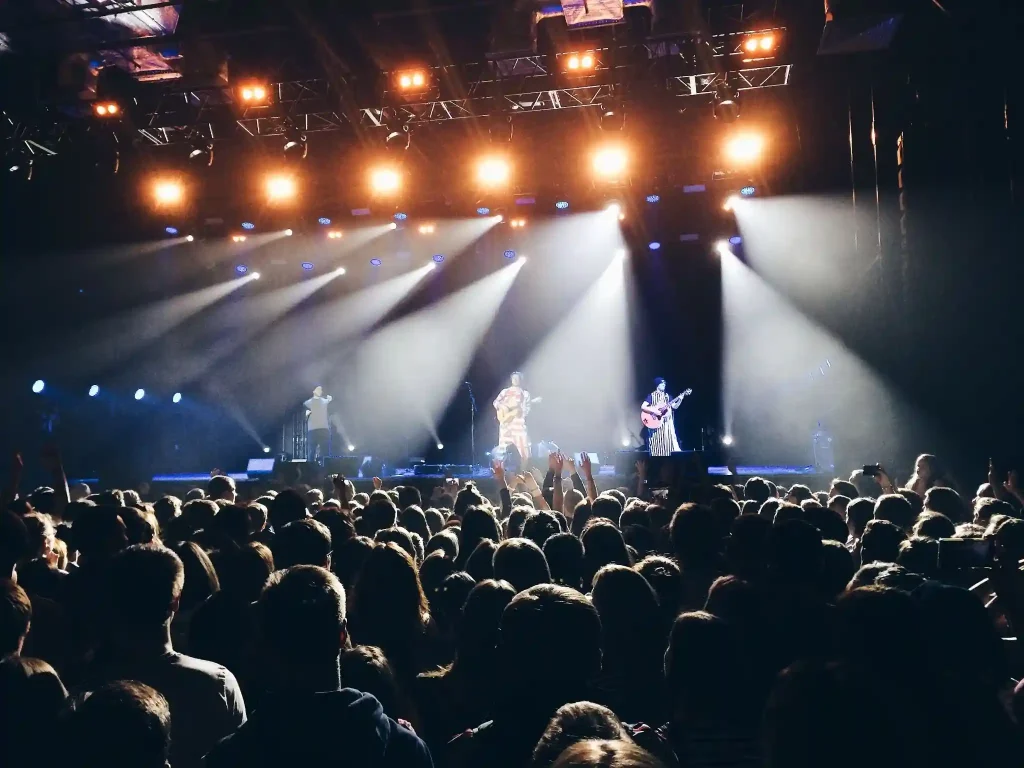


For music enthusiasts, few things are more exhilarating than attending a live concert or festival. The thrill of seeing your favorite artists perform live, the energy of the crowd, and the shared experience with fellow fans create unforgettable memories. However, to fully enjoy these experiences, it is essential to keep your live music calendar organized and up to date. In this article, we will explore practical tips that will help fans manage their live music calendars effectively, ensuring that they never miss an opportunity to enjoy live performances.
Understanding the Importance of a Live Music Calendar
A well-maintained live music calendar serves several purposes. It keeps track of events, helps fans plan their schedules, and allows for better budgeting. By organizing your live music calendar, you can ensure that you are aware of upcoming concerts, festivals, and other performances that align with your interests.
The Benefits of Staying Organized
Staying organized with your live music calendar has multiple benefits. It reduces stress and anxiety by preventing last-minute scrambles to find tickets or make travel arrangements. Additionally, having a clear view of your schedule allows you to prioritize which events are most important to you, making it easier to allocate your time and resources effectively.
Tip 1: Choose the Right Tools
One of the first steps in keeping your live music calendar organized is selecting the right tools. There are various digital and physical options available to suit different preferences.
Digital Calendar Options
Using digital tools like Google Calendar, Apple Calendar, or specialized apps can simplify the process of managing your live music calendar. These platforms allow you to set reminders, share events with friends, and access your calendar from anywhere.
Real-Life Example: Sarah, a passionate concertgoer, switched to Google Calendar after realizing it allowed her to sync her concert dates with her personal and work calendars. This helped her avoid scheduling conflicts and ensured she never missed a show.
Physical Calendars
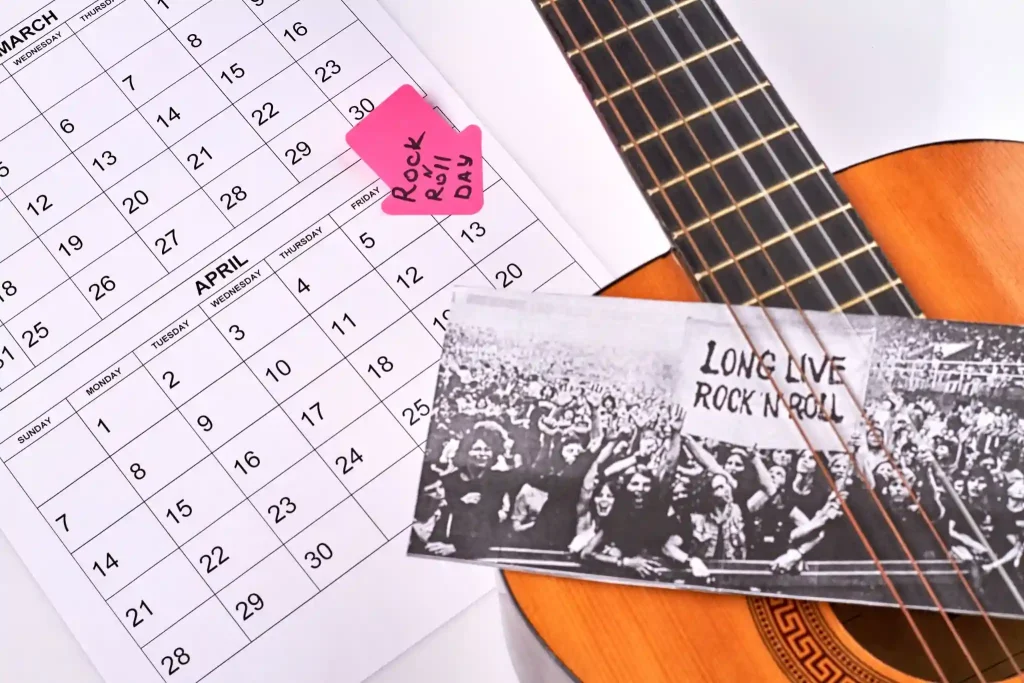
For those who prefer a more tactile approach, a physical calendar or planner can be just as effective. Writing down concert dates can create a personal connection to the events and serve as a visual reminder. Customize your calendar with stickers or color coding for different genres or venues to make it more engaging.
Tip 2: Subscribe to Artist and Venue Newsletters
One of the easiest ways to stay informed about upcoming concerts is to subscribe to newsletters from your favorite artists and local venues. Most musicians and venues send out regular updates about tour dates, ticket sales, and special events.
Staying in the Loop
By subscribing, you can receive exclusive information directly in your inbox. Many artists offer pre-sale access to tickets for their loyal fans, which can be a significant advantage when popular shows go on sale.
Expert Insight: Music industry expert Mark Thompson emphasizes, “Being proactive about signing up for newsletters can give fans an edge in securing tickets before they sell out. It also helps keep your live music calendar filled with exciting events.”
Tip 3: Use Social Media Wisely
Social media platforms are invaluable tools for staying up to date with live music events. Follow your favorite artists, venues, and music festivals on platforms like Instagram, Twitter, and Facebook.
Engaging with the Community
Social media not only provides concert announcements but also allows fans to engage with the music community. You can join fan groups, participate in discussions, and share concert experiences with fellow enthusiasts.
Real-Life Example: Jake, an avid music fan, discovered a local Facebook group dedicated to live music events in his city. Through this community, he learned about lesser-known shows and underground artists, enriching his live music calendar significantly.
Tip 4: Set Reminders
Once you have populated your live music calendar with upcoming events, setting reminders is crucial for staying organized. Use your digital calendar’s reminder features to alert you of ticket sales, event dates, and travel plans.
Timing Matters
Consider setting multiple reminders leading up to an event. For instance, set a reminder a week before the concert to finalize travel arrangements and another a day before to ensure you have everything prepared.
Expert Insight: Time management coach Laura Jenkins suggests, “Establishing a reminder system helps you stay on top of your commitments and reduces the risks of missing out on events you’re excited about.”
Tip 5: Regularly Review Your Calendar
Life can be unpredictable, and schedules often change. A vital part of keeping your live music calendar organized is regularly reviewing it. Set aside time each week to check your calendar for upcoming events and adjust as necessary.
Updating Your Plans
During these reviews, consider factors such as ticket availability, changes in your personal schedule, or new events that may have been announced. This practice helps you stay flexible and ensures that your calendar reflects your current interests and commitments.
Real-Life Example: Emily, a concert enthusiast, dedicates Sunday evenings to reviewing her live music calendar. This routine allows her to adjust her plans based on new shows or changes in her availability.
Tip 6: Prioritize Your Events
With a plethora of concerts and events happening throughout the year, it can be challenging to decide which ones to prioritize. Evaluate your live music calendar based on factors like your budget, travel requirements, and personal preferences.
Making Choices
Determine which events are must-sees and which ones you can skip. This assessment can help you avoid burnout from trying to attend too many shows and ensures that you focus on the experiences that matter most to you.
Expert Insight: Music blogger and influencer Jessica Lee advises, “It’s essential to prioritize events that resonate with you emotionally. Attending performances you’re passionate about makes the experience much more rewarding.”
Tip 7: Budget for Tickets and Expenses
Attending live music events can quickly add up, so budgeting is key to maintaining an organized live music calendar. Consider ticket prices, travel costs, and any additional expenses such as food or merchandise when planning your schedule.
Creating a Music Budget
Establish a monthly or yearly budget dedicated to live music events. This approach allows you to allocate funds for tickets and related expenses while avoiding financial strain.
Real-Life Example: Tom, a music lover, created a separate savings account for his concert expenses. By setting aside a little each month, he could afford to attend more shows without feeling guilty about overspending.
Tip 8: Utilize Music Event Apps
In today’s digital age, several apps are designed specifically for tracking live music events. These apps can help you discover new concerts, manage your calendar, and stay informed about your favorite artists.
Finding the Right App
Explore options such as Songkick, Bandsintown, or Eventbrite. These apps often allow you to track artists, receive notifications about upcoming shows, and even purchase tickets directly through the platform.
Expert Insight: Technology analyst Mike Carter highlights, “Using dedicated music event apps can streamline your concert planning process, ensuring you never miss an opportunity to see your favorite artists live.”
Tip 9: Engage with Local Music Communities
Every city has its own vibrant music scene, and engaging with local communities can enhance your live music experience. Attend open mic nights, local festivals, or community concerts to discover hidden gems and support emerging artists.
Building Connections
Joining local music communities allows you to connect with fellow fans, share recommendations, and stay informed about grassroots events that may not be widely publicized.
Real-Life Example: Rachel, a local music advocate, started attending open mic nights and quickly became friends with several artists. This connection helped her discover exclusive gigs and underground shows, enriching her live music calendar.
Tip 10: Keep an Eye on Festivals
Music festivals are a fantastic way to experience multiple artists in one go. Staying informed about upcoming festivals and their lineups can help you plan your live music calendar effectively.
Planning Ahead
When considering a festival, research its history, location, and lineup. Many festivals offer early bird tickets at discounted rates, which can save you money. Set reminders for ticket sales to ensure you don’t miss out.
Real-Life Example: Mike, an avid festival-goer, learned to set reminders for ticket sales for his favorite events. By planning ahead, he could secure his spot at sold-out festivals, making it a highlight of his live music calendar.
Conclusion
Maintaining an organized and up-to-date live music calendar can enhance your overall music experience. By implementing these practical tips, you can ensure that you stay on top of upcoming concerts, festivals, and events that resonate with you. From choosing the right tools and subscribing to artist newsletters to engaging with local music communities and budgeting for expenses, every step contributes to a more enjoyable and stress-free live music journey.
Ultimately, the world of live music is vast and ever-changing, and being organized will help you navigate this exciting landscape. So grab your calendar, set those reminders, and prepare to immerse yourself in the electrifying world of live music!
Frequently Asked Questions (FAQs)
How can I keep my live music calendar organized?
You can keep your live music calendar organized by using digital tools, subscribing to artist newsletters, and regularly reviewing your schedule for upcoming events.
What are the best tools for managing a live music calendar?
Popular tools include Google Calendar, Apple Calendar, and music event apps like Songkick and Bandsintown, which help track concerts and ticket sales.
Why is it important to prioritize live music events?
Prioritizing live music events helps you focus on experiences that matter most to you and prevents burnout from trying to attend too many shows.