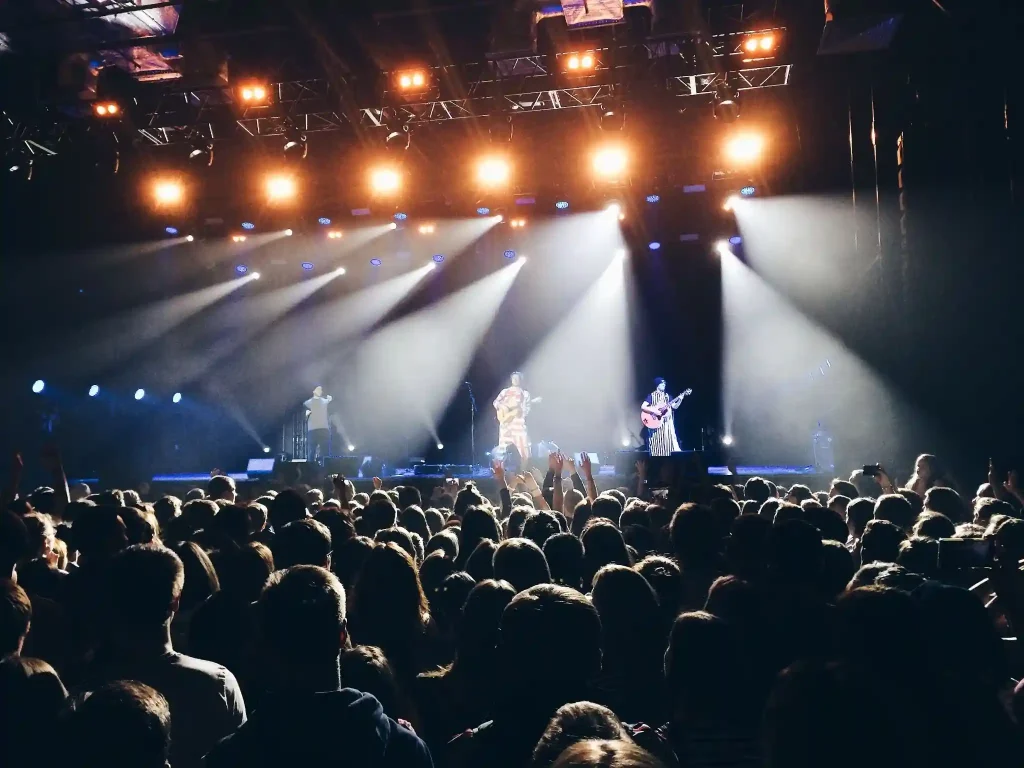

In today’s vibrant music scene, live performances play an essential role in shaping our cultural experiences. From intimate venues to expansive festivals, the choices available for music lovers seem endless. However, the decisions made by promoters, venues, and audiences alike are heavily influenced by genre preferences. Understanding how these preferences affect live music calendars can provide valuable insights into the music industry and help fans discover the experiences that resonate with them.
The Importance of Live Music Calendars
A live music calendar serves as a comprehensive guide for music enthusiasts, detailing upcoming performances, concerts, and festivals in a specific area. These calendars are crucial for both artists and audiences, as they help to promote events and ensure that fans can plan their attendance. A well-curated live music calendar not only highlights popular acts but also showcases emerging artists and diverse genres, catering to a wide range of tastes.
The Role of Genre Preferences
Genre preferences significantly influence choices made in live music calendars. Musical genres encompass a broad spectrum, including rock, pop, hip-hop, jazz, country, electronic, and more. Each genre attracts different audiences, shapes the types of performances scheduled, and influences marketing strategies.
Understanding Audience Demographics
Different genres appeal to distinct demographics. For instance, younger audiences may gravitate towards pop and hip-hop, while older generations might prefer classic rock or jazz. This demographic insight is crucial for promoters when planning events, as it helps them tailor their live music calendars to meet the interests of their target audiences.
Real-Life Example: The Coachella Music Festival
Take the Coachella Valley Music and Arts Festival, for example. Coachella is known for its diverse lineup, featuring a mix of genres from rock and indie to hip-hop and electronic dance music (EDM). The festival attracts a wide range of attendees, from die-hard fans of specific genres to those seeking a broader cultural experience. By offering a variety of genres, Coachella effectively caters to diverse preferences, creating a live music calendar that appeals to a broad audience.
How Genre Preferences Shape Live Music Choices
Understanding how genre preferences impact live music calendars involves examining various factors, including audience engagement, marketing strategies, and the overall live music experience.
Audience Engagement and Genre
Audience engagement is critical for the success of any live music event. Different genres evoke varying emotional responses and attract unique audiences. For example, a heavy metal concert may foster a high-energy environment with intense engagement from fans, while a classical music performance may create a more subdued and contemplative atmosphere.
Expert Insight: Audience Psychology
Dr. Emily Thompson, a music psychologist, explains, “Genre preferences significantly impact how audiences engage with live music. Fans of particular genres often share a sense of community and belonging, which enhances their concert experience. This connection can influence their willingness to attend more shows and spread the word about upcoming events, ultimately shaping live music calendars.”
Marketing Strategies Based on Genre
Marketing strategies for live music events often rely heavily on genre preferences. Artists and promoters utilize targeted marketing campaigns to attract fans of specific genres. For instance, a hip-hop artist might promote their concert through social media platforms popular among younger audiences, leveraging influencers to reach potential attendees.
Case Study: Hip-Hop Marketing Success
Consider the success of hip-hop concerts in urban areas. Promoters often collaborate with local influencers and utilize platforms like Instagram and TikTok to reach their target audience effectively. This genre-specific marketing strategy not only boosts ticket sales but also shapes the live music calendar by prioritizing hip-hop events in those regions.
The Impact of Streaming Services
The rise of streaming services has transformed how audiences discover and engage with music. Platforms like Spotify, Apple Music, and YouTube have made it easier for listeners to explore various genres and find new artists. This accessibility influences genre preferences and, consequently, the types of events featured on live music calendars.
Research Insights: Streaming and Genre Popularity
A study by the Pew Research Center found that streaming services significantly impact listener behavior, with younger audiences particularly inclined to explore diverse genres. As a result, live music calendars are increasingly reflecting this trend, showcasing a wider array of genres to cater to evolving tastes.
The Business Perspective: Genre Preferences and Financial Considerations
For venues and promoters, understanding genre preferences is not just about audience engagement; it’s also a matter of financial viability. Different genres can yield varying ticket prices, sponsorship opportunities, and overall profitability.
Pricing Strategies Based on Genre
Each genre comes with its own pricing dynamics. For example, pop concerts often command higher ticket prices due to the popularity of mainstream artists, while local indie bands may have lower ticket prices to attract larger crowds. This pricing strategy directly influences the types of events featured in a live music calendar.
Example: Country Music Festivals
Country music festivals, such as Stagecoach in California, often attract large crowds willing to pay premium prices for tickets. The popularity of the genre allows promoters to secure sponsorships from brands aligned with country culture, further enhancing revenue potential.
Sponsorship and Partnerships
Genres also impact sponsorship opportunities. Brands often seek to align themselves with specific genres that resonate with their target audiences. For instance, a beverage company might choose to sponsor a rock festival, while a fashion brand may partner with a hip-hop event. These partnerships can significantly influence the events featured in live music calendars.
Cultural and Social Factors Influencing Genre Preferences
Genre preferences are not solely based on personal taste; they are also shaped by cultural and social factors. Understanding these influences can provide insights into how live music calendars are curated.
Cultural Significance of Genres
Certain genres hold cultural significance and reflect the values and identities of specific communities. For example, reggae music has deep roots in Jamaican culture and is celebrated for its messages of social justice and resilience. As such, live music calendars in regions with strong reggae communities will likely feature more reggae events.
Community Engagement: The Role of Festivals
Festivals celebrating specific genres often foster community engagement and cultural pride. Events like the New Orleans Jazz & Heritage Festival highlight the significance of jazz and its impact on local culture. Festivals like these shape live music calendars by prioritizing events that resonate with the community’s identity.
Social Media and Genre Trends
Social media platforms play a crucial role in shaping genre preferences. Artists often use platforms like Instagram, TikTok, and Twitter to connect with fans and promote their music. Viral trends can influence which genres gain popularity, ultimately affecting the live music calendar.
Example: TikTok and Emerging Artists
TikTok has become a powerful tool for emerging artists to gain exposure. Many songs that go viral on the platform lead to increased streaming and concert attendance. Consequently, venues may adjust their live music calendars to feature artists who have gained popularity through social media.
The Influence of Location on Genre Preferences
Geographical location plays a significant role in determining genre preferences and shaping live music calendars. Different regions have distinct musical cultures that influence the types of events promoted.
Regional Music Scenes
Some areas are known for specific genres, creating vibrant music scenes. For example, Nashville is synonymous with country music, while New Orleans is renowned for jazz. These regional identities shape the live music calendars in those areas, often leading to a concentration of events centered around the dominant genre.
Case Study: Austin and Live Music
Austin, Texas, is often dubbed the “Live Music Capital of the World.” The city offers a diverse array of genres, but it is particularly known for its vibrant indie and rock scenes. The South by Southwest (SXSW) festival showcases this diversity, featuring artists from various genres and attracting music lovers from around the globe.
Local Venues and Genre Preferences
The type of venues in a location also influences genre preferences. Small clubs may prioritize local indie acts, while larger arenas may focus on mainstream artists from popular genres. The live music calendar in a given area is often a reflection of the venues available and their target audience.
The Future of Live Music Calendars
As the music industry continues to evolve, so too will the factors that influence live music calendars. Understanding genre preferences will remain crucial for promoters, venues, and artists as they navigate this ever-changing landscape.
The Rise of Hybrid Events
The COVID-19 pandemic accelerated the trend of hybrid events, combining live performances with virtual components. This shift has opened up new avenues for artists to reach audiences beyond geographical limitations. As more artists explore hybrid formats, live music calendars may increasingly feature events that cater to both in-person and online audiences.
Embracing Diversity in Genres
The increasing popularity of diverse genres will likely influence live music calendars in the coming years. As audiences seek new and unique experiences, promoters may prioritize events that showcase a wider range of musical styles, breaking away from traditional genre boundaries.
Data-Driven Decision Making
Data analytics will play an increasingly important role in shaping live music calendars. By leveraging data on audience preferences, ticket sales, and streaming trends, promoters can make informed decisions about which genres to prioritize and which artists to feature.
Conclusion
Genre preferences have a profound impact on choices in live music calendars, influencing everything from audience engagement to marketing strategies and financial viability. Understanding these dynamics is essential for artists, promoters, and venues alike as they navigate the complex landscape of live music.
By recognizing the importance of genre preferences and embracing the cultural, social, and geographical factors that shape them, we can create live music calendars that celebrate diversity and foster connections within communities. As music continues to evolve, so too will the choices we make in our live music experiences, enriching our lives with the power of sound.
Frequently Asked Questions
1. How do genre preferences influence live music attendance?
Genre preferences significantly impact live music attendance, as fans are more likely to attend events featuring artists from their favorite genres.
2. What role do streaming platforms play in shaping genre popularity?
Streaming platforms expose listeners to various genres, influencing their preferences and subsequently impacting the types of events featured on live music calendars.
3. How can promoters effectively market live music events?
Promoters can effectively market live music events by understanding their target audience’s genre preferences and using tailored marketing strategies on relevant platforms.